uPVC boards
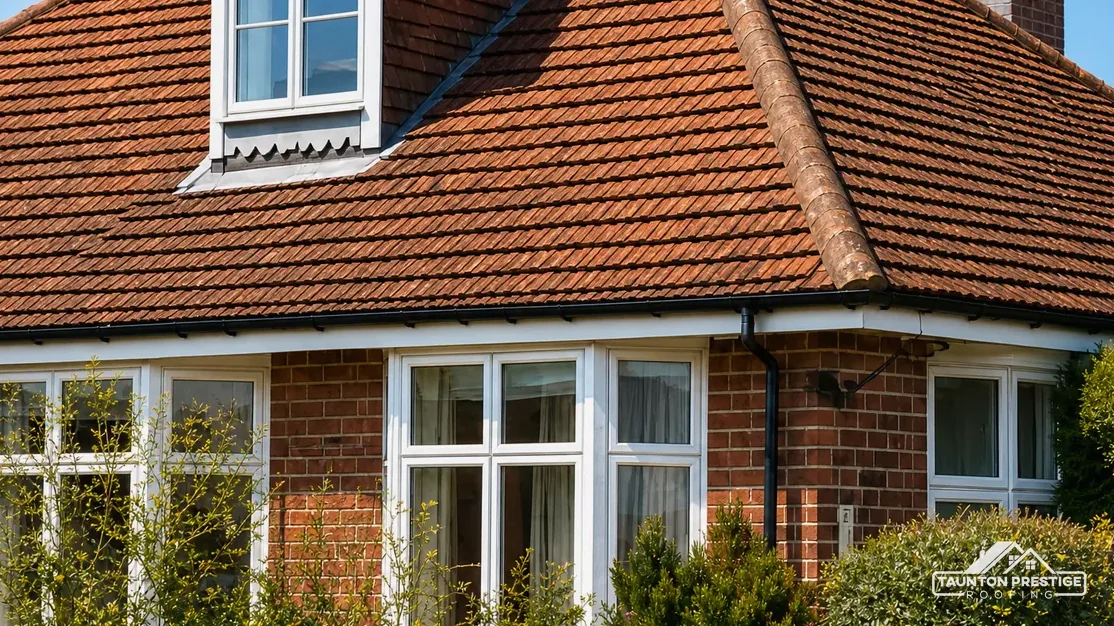
Sealed plastic fascias and soffits that never want a coat of paint.
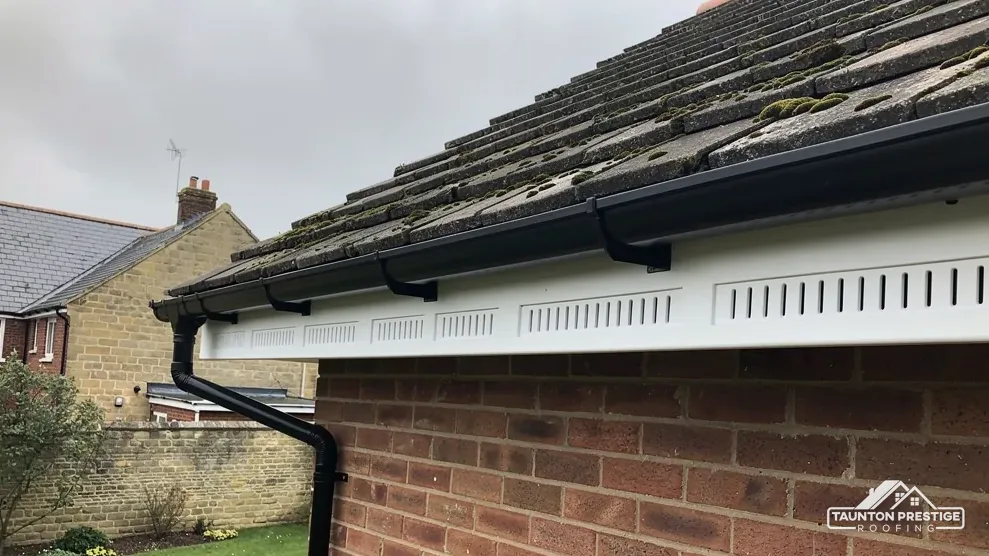
Fascias, soffits and gutters, read from the eaves down.
We look along every side of the house, show you photos of the boards and gutters, and price the repair or replacement your roofline actually needs.
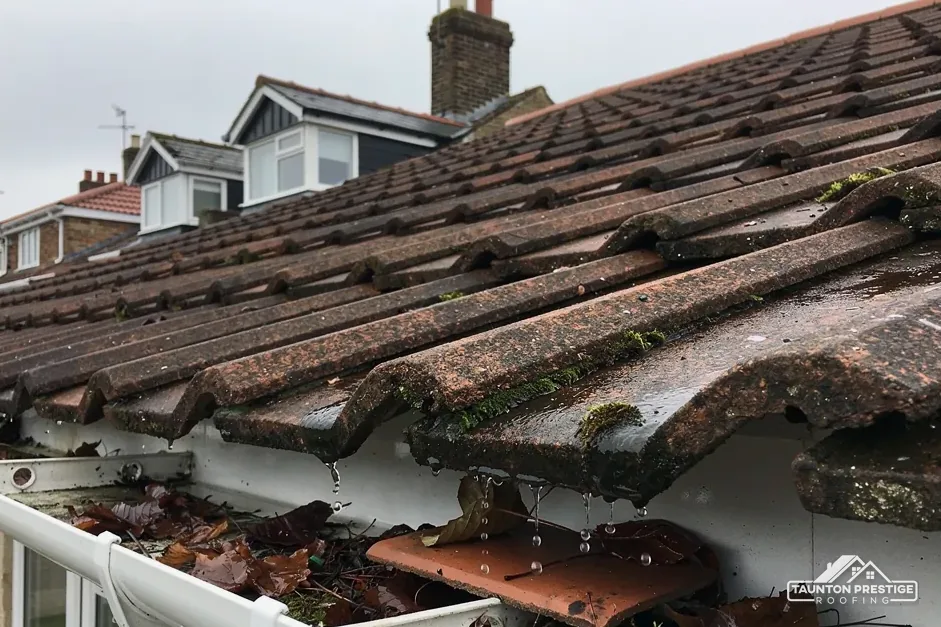
Sealed plastic fascias and soffits that never want a coat of paint.
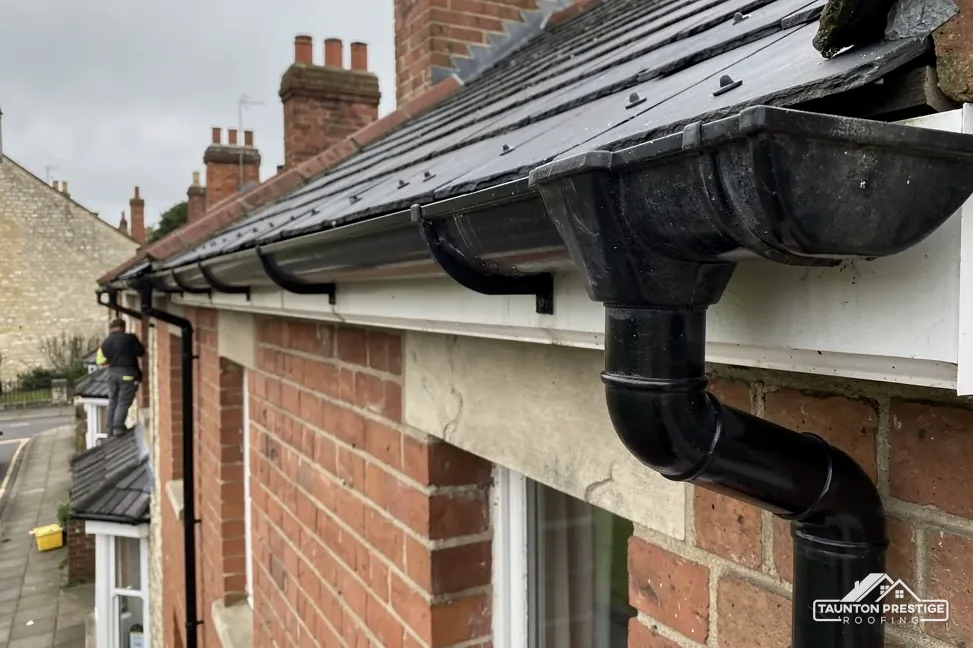
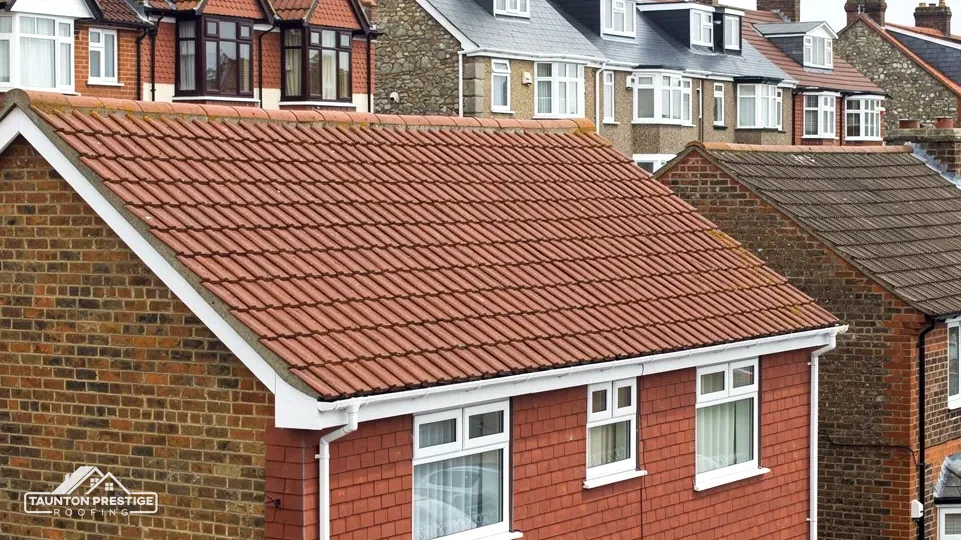
Softwood boards that stay sound for as long as their paint holds.
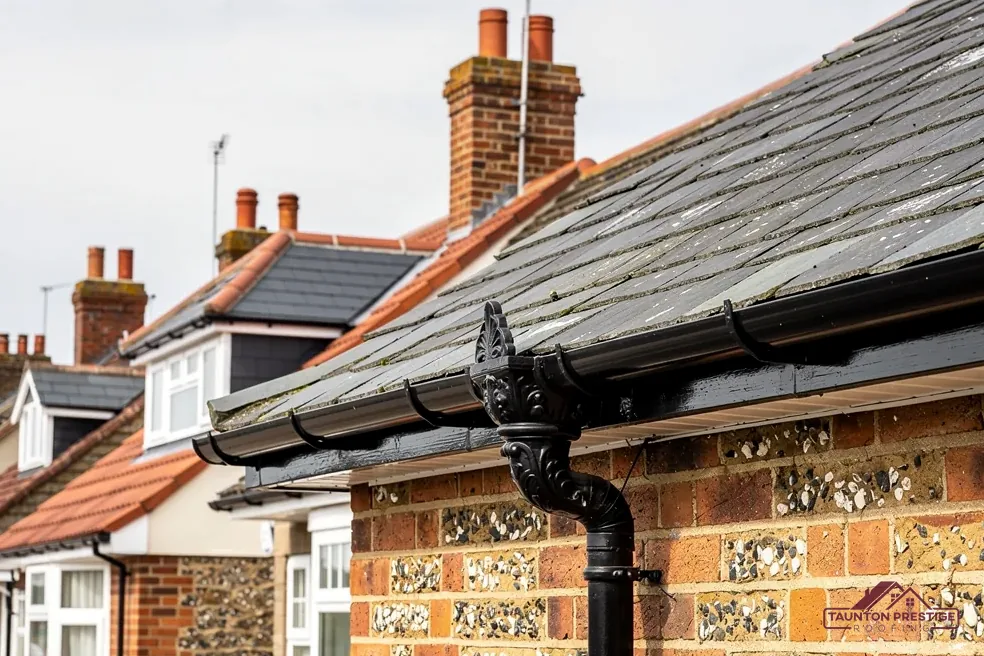
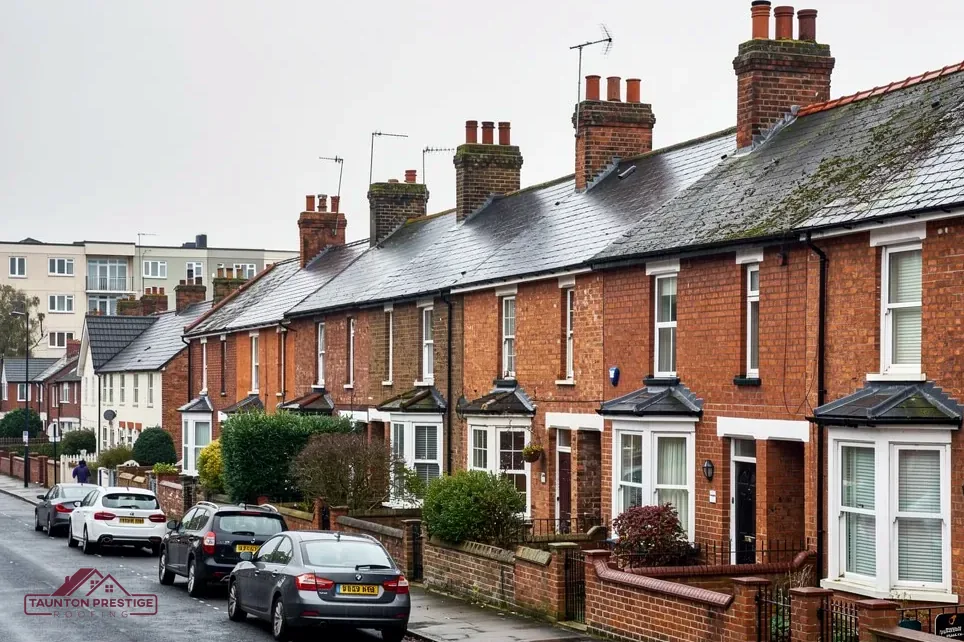
Heavy metal gutters and downpipes on Victorian and Edwardian houses.
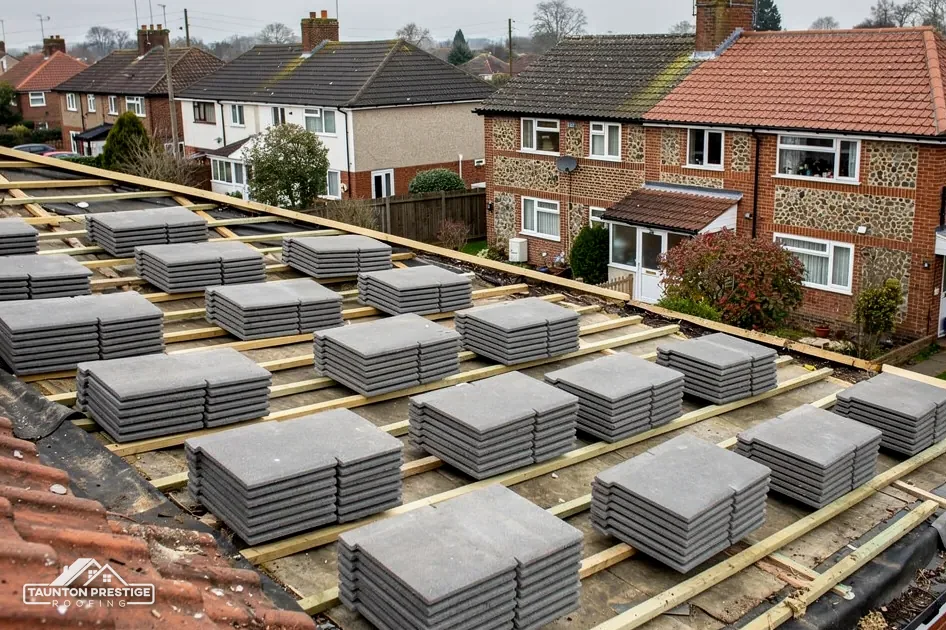 Fascia replacementTimber or uPVC boards, renewed full length
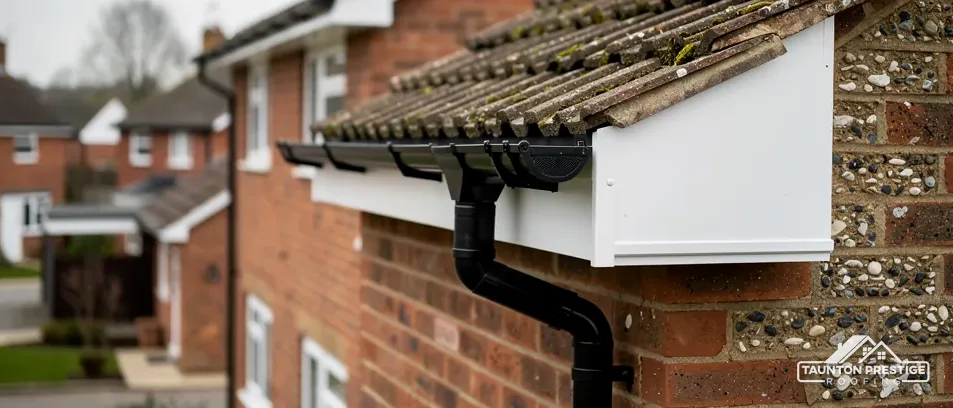 Soffits and ventsVented boards where the loft needs air
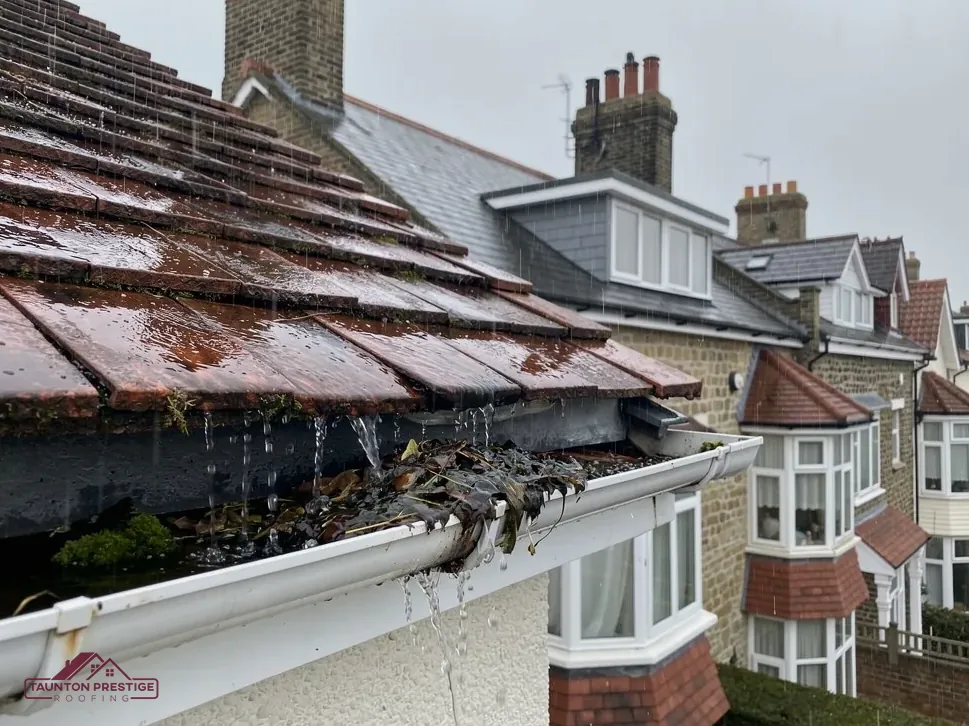 Gutter repairsJoints resealed, sags re-bracketed, outlets reset
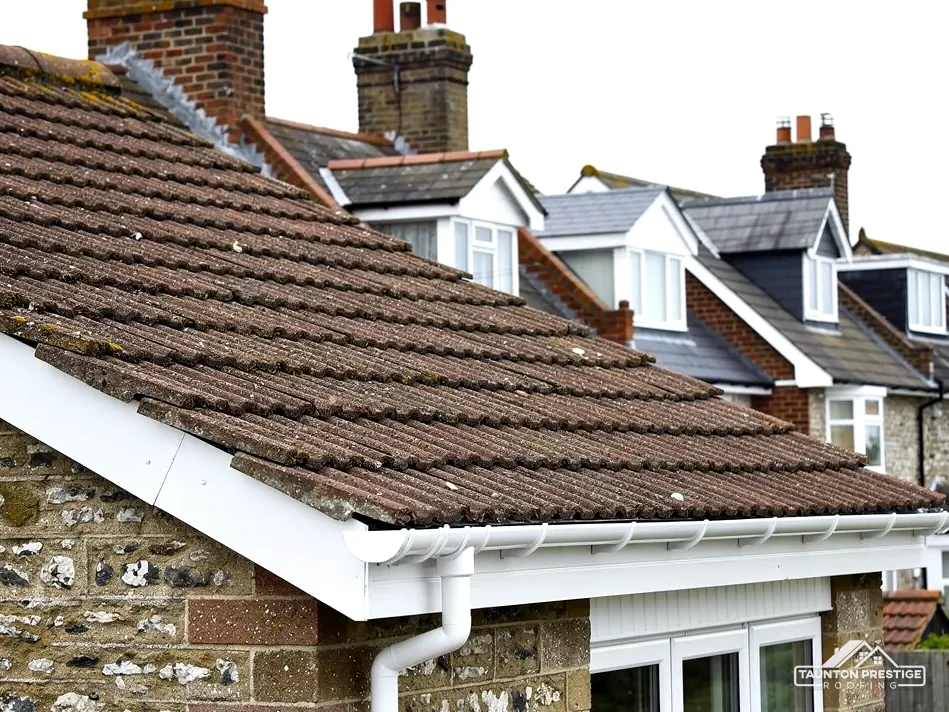 New gutteringComplete uPVC runs sized for the roof
 Downpipes and hoppersCleared, refixed or renewed down to the drain
 Gutter clearingMoss and silt lifted out by hand
Sound boards with one leaking joint, a sagging length or a short rotten section.
Timber that is still dry and firm, wanting only a weatherproof plastic cover.
Rot along the boards, failed eaves felt, or old soffits that must come out first.
The roofline walk
How we read the fascias, soffits, gutters and downpipes before we put a price on anything, and the parts you can judge from your own garden.
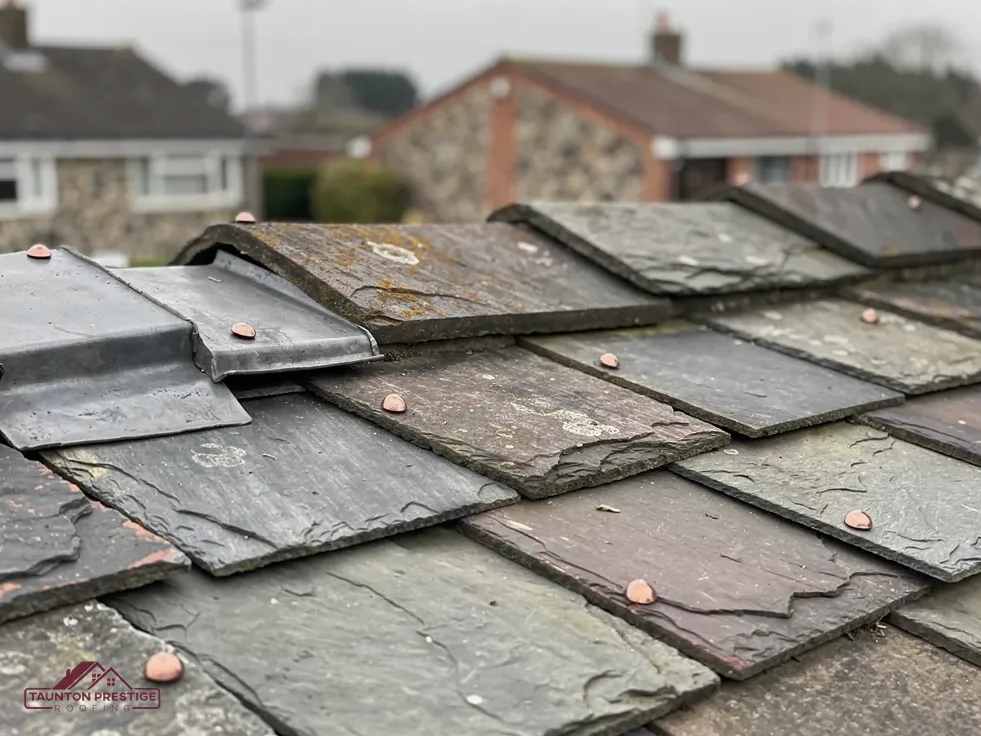
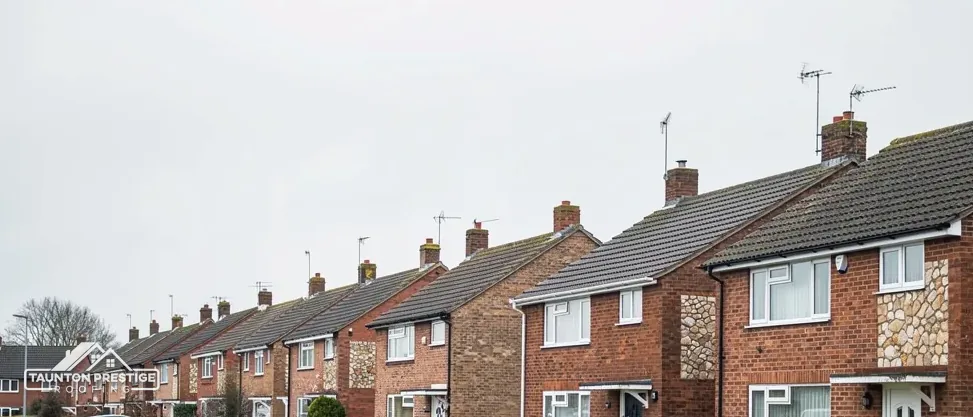
Start at the edge of the roof, because that is where the roofline begins. The fascia is the long board fixed across the ends of the rafters, the sloping timbers that hold the roof up, and it does two jobs at once. It closes off the rafter ends from the weather, and it carries the brackets your gutter hangs from. On older houses around Taunton the fascia is often painted softwood, and softwood stays sound only while its paint does. Once the paint cracks, rain soaks into the grain, the board swells and shrinks with every wet spell, and rot gets going where nobody sees it.
Look for
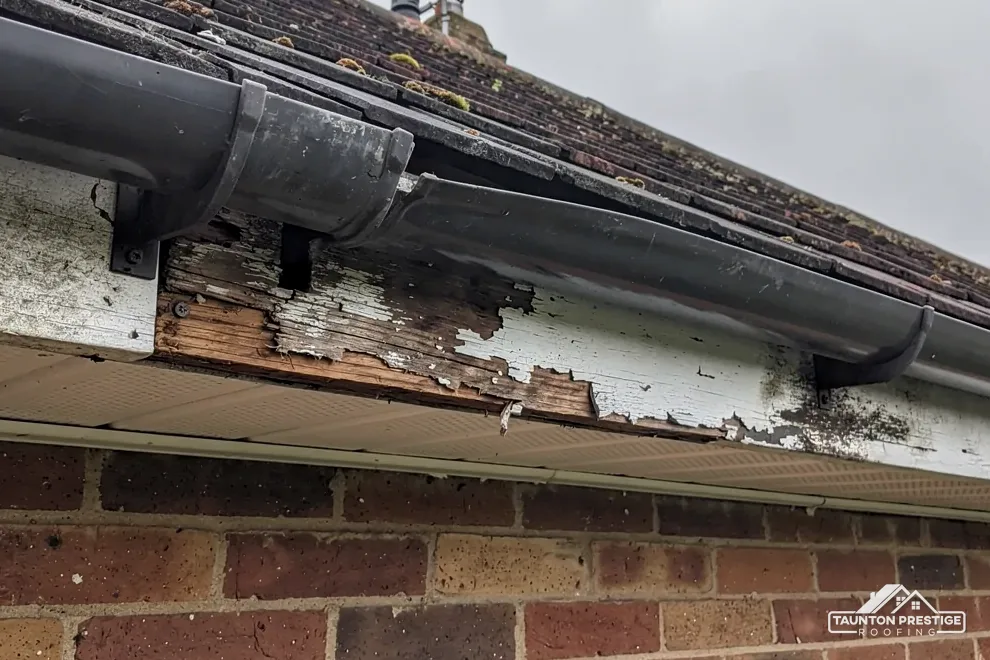
Fascia rot tends to start behind the gutter, out of sight from the street.
The top edge sits right under the bottom row of tiles or slates. If the felt at the eaves has perished, water running off the roof drips behind the gutter instead of into it and lands on the fascia every time it rains. A gutter that leaks at a joint, or falls the wrong way and spills over, soaks the board lower down. That is why a fascia can look fine from the pavement while its back face has gone soft enough to push a screwdriver into. When we take the gutter off we see the whole board, and we photograph it so you can see the same thing we do. A board that turns out firm all the way through needs nothing more than rubbing down, any fine splits filled and two good coats of paint before the winter.
A short patch of rot on an otherwise sound board can be cut out and a new piece of timber spliced in, then primed and painted to match. On a period home where painted wood suits the house, that is a fair repair. When rot runs along most of a board, or the rafter ends behind it have started to go, patching just moves the trouble along a metre. Then the choice is new timber, painted, or new uPVC boards that need no painting at all. Fixing a thin plastic cover over a rotten board hides the fault rather than curing it; our guide to capping fascias explains when capping is a sensible buy and when it saves nothing.
Stand under the eaves and look up. The flat board closing the gap between the back of the fascia and the house wall is the soffit. It keeps rain, wind and birds out of the roof space, but on a cold roof it also has to let air in. A cold roof is one where the insulation lies on the loft floor, leaving the space above it unheated. Warm, damp air from the house drifts up into that space, and unless outside air moves through it, the moisture settles on the timbers as condensation and feeds mould on the rafters.
That depends on what lies under your tiles. Marley's guidance on BS 5250, the code of practice for moisture in buildings, says a cold roof with HR underlay, the older non-breathable kind, needs 25mm of continuous eaves ventilation where the pitch is 15° or less, and 10mm where it is steeper than 15°. Where the tiles sit on LR underlay, a breather membrane, over a ceiling sealed tight against air leaks, the roof can rely on the small gaps any ordinary eaves leaves, about 3mm, subject to the product's certification. So before new boards go up we check from the loft hatch which underlay you have. If the roof needs airflow, we fit vented soffits or a vent strip over the fascia, so the gap is there by design rather than by luck. Loft insulation stuffed right down to the wall plate can close that gap from inside, so we look for that too.
Gaps in old soffits make good homes. The Wildlife and Countryside Act 1981 makes it an offence to intentionally take a wild bird's nest while it is being built or used, or to damage or destroy it then, so an active nest means the work waits. Bats have stronger protection still. GOV.UK's guidance treats every bat species, along with its breeding sites and resting places, as fully protected by law, and roof repair or replacement is on its list of activities that can affect them. If we find droppings or other signs of a roost, we stop and talk it through with you before another board comes off. Our answer on bats behind fascia boards sets out what the law says.
What decides the price
Look for
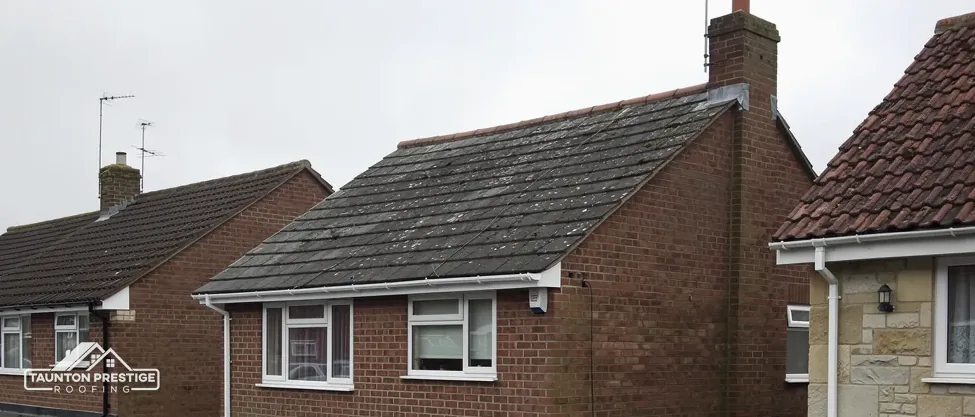
On houses built or altered before 2000, the soffit may not be timber at all. HSE lists external soffits among the places where asbestos insulating board, known as AIB, turns up, and it warns that "It is difficult to tell the difference between AIB items and non-asbestos equivalents." Where a house went up or was refurbished before 2000, HSE tells owners to treat it as containing asbestos until shown otherwise. Somerset Building Control gives similar advice for older buildings. Flat grey or cream sheets that have been painted over, with no grain and no tongue-and-groove joints, are the ones we leave alone until a sample says what they are. Many turn out to be harmless fibre board or plywood, but nobody can tell by looking, and drilling or snapping one to find out is exactly what releases fibres.
Not until they have been checked. Taking AIB soffits down is often licensed work, depending on HSE's risk assessment rules, which is why the boards are tested before anything else happens. HSE's wording is that work on AIB is licensable where the risk assessment shows it will not be of short duration, while short-duration removal of AIB as part of a refurbishment project is notifiable non-licensed work. In practice a sample goes to a laboratory, and the result decides who takes the boards down and how. Where the job needs a licence, a contractor holding that licence removes the boards, and we fit the new roofline once the eaves are clear. Our guide to asbestos soffits explains how to tell and what happens next.
A painted grey board under the eaves gets tested before anyone drills into it.
Asbestos cement is a harder, denser material, and HSE names rainwater goods alongside roof sheeting as products made from it. Careful removal without breaking the pieces up is non-licensed work under HSE's rules; smashing them up substantially makes it notifiable non-licensed work. So old cement downpipes and gutters are unbolted whole rather than cut or broken, then double-wrapped and labelled before they leave your drive. Leave a cracked cement gutter where it is rather than pulling it down yourself; a cracked section that drips is far less of a worry than a broken one on the patio. Tell us it is there when you book, and we plan the visit around it.
A gutter has one job: catch the rain running off the roof and carry it to a downpipe before it reaches the wall. A uPVC gutter comes in lengths clipped into brackets screwed to the fascia, with a rubber seal at every union, corner and outlet. When that works you never think about it. When it fails, the water lands where it does harm: on the fascia, down the brickwork, into the ground beside the footings, and eventually as damp on an inside wall. Guttering in Taunton has plenty of rain to deal with, so a small fault shows itself quickly. The best time to look is during a downpour, from the garden or an upstairs window, when every weak joint gives itself away.
Sound or needs work
What decides the price
Look for
A blockage is the first suspect: moss washed off the tiles, leaves, silt or a lost ball sitting over the outlet. Next comes the fall, the slight slope that sends water towards the outlet. Brett Martin's fitting guidance is a fall of 1mm for every 600mm of gutter, and a run that has settled flat or tipped the wrong way holds water and spills it over the front. A gutter can also simply be too small for the roof above it, especially where a valley pours a whole slope's water into one short stretch. The current standard for roof drainage layout and calculation is BS EN 12056-3:2000, and sizing follows the roof area each outlet serves. Our answer on gutter fall goes into the slope in more detail.
The rubber seals inside each union harden and shrink with sun and frost, and uPVC grows and shrinks in length as the temperature changes, so a joint that was tight when fitted can open years later. Brackets set too far apart let a run sag, and the sag pulls the joints open. A fresh union or seal and closer brackets often cure it for a fraction of the cost of a new run. Concrete gutters, often called Finlock, are a different matter: the gutter is cast as part of the top of the wall, so when one cracks the water goes into the house, and replacing them is a larger job.
Look for
The downpipe is the vertical pipe that takes water from the gutter outlet down to the ground. At the top it often bends out and back around the eaves in a swan neck; at the foot it ends in a shoe over a gully, runs straight into an underground drain or feeds a water butt. Older houses sometimes have a hopper, an open box part way down where two pipes meet. Each bend and each joint is a place where moss, leaves and grit can lodge, and a blocked downpipe backs water up into the gutter until it spills over, often at the far end from the blockage.
If a wall is wet after a downpour, look at the downpipe before the roof.
Stand outside during heavy rain. A clear pipe gurgles and runs; a blocked one stays quiet while the gutter above it fills and overflows. Water spraying from a joint part way down, a damp green stripe on the bricks beside the pipe, or a gully flooding around the shoe all point to trouble below the gutter rather than in it. Inside the house, a damp patch on the wall behind a downpipe is worth checking before anyone blames the roof. From the ground you can lift the gully grid, scoop out the silt and run a hose into the shoe to see whether water gets away. A blockage up at the swan neck, or in a joint two storeys up, is ladder work and better left to us. A pipe that has come away from its clips, or split down its back after a frost, usually needs replacing rather than patching.
Yes. We clear the gutters along any run we are working on, because there is no sense resealing a joint in a gutter full of silt. Clearing is done by hand, scooping the debris into bags rather than flushing it down the downpipe, then the run is tested with water to check it drains to the outlet. Gutter cleaning on its own, as regular maintenance, makes sense where trees overhang or moss keeps washing off the roof. If the moss is the root of it, our roof cleaning and moss removal service deals with the source. Marley does not recommend high-powered jet washing of tiles, because it can damage their surface.
Where a Victorian or Edwardian house in Taunton still has its original rainwater goods, expect cast iron: gutters bolted together at the joints, downpipes held off the wall on cast lugs, and sometimes decorative hoppers. Cast iron is heavy, and it was made to be painted. While the paint is kept up it carries on for a long time; once the paint fails, rust starts inside the gutter where the water sits, and at the joints, where the old sealant dries out and lets water weep through onto the bracket. The outside can look tidy for years while the inside rusts thin, so we look into the gutter itself, not just at its face. A run that has rusted through in one spot is often still thick and sound a metre either side.
What decides the price
Look for
Not automatically. A rusty cast iron gutter can often be cleaned back, treated, resealed at each joint and repainted, and a single cracked length can be replaced in new cast iron to match. On a listed home, changing cast iron for uPVC is the kind of alteration that affects the building's character, and works like that need listed building consent. In a conservation area, check with Somerset Council's planning team before you change materials, especially on the front of the house. An Article 4 direction is listed for Taunton, Staplegrove Road (Somerset Council); check what it covers with the planning team. Where nothing protects the house and the metal is beyond saving, plastic or cast aluminium in a matching profile are both fair options.
Each joint is unbolted, cleaned and remade with fresh sealant and new bolts, because the old ones rarely come out whole. Rust inside the gutter is wire-brushed back, primed and coated, and the outside is painted to protect it from the weather. Brackets that have rusted thin are replaced, and downpipes are taken off the wall so their backs can be painted too, because the side facing the brickwork is where rust hides. It is slower work than clipping in a plastic run, and on a three-storey terrace it needs proper scaffold, but it keeps the house looking the way it was built. Our guide to cast iron gutter repair weighs up repairing against replacing on Victorian homes in more depth.
The eaves is where the roof covering, the felt under it, the fascia and the gutter all meet, and a fault in one shows up in the others. The felt or membrane under the tiles should run out over the fascia and drip into the gutter. On older roofs that last strip of felt is exposed to sunlight, so it perishes and crumbles first, and then rain runs behind the gutter instead of into it. Our answer on eaves felt rot explains the fault and the eaves tray, a rigid strip fixed over the rafter ends that carries the water into the gutter for good.
Sound or needs work
The top of the fascia props up the bottom row of tiles or slates. Set too low, the bottom course droops and lets wind-driven rain blow under it; set too high, it kicks the tiles up and leaves a hump that holds water. When new uPVC boards replace thinner timber, the height has to be set to suit the tiles above, not just matched to the old board. That is why we look at the bottom course from the scaffold before any fascia goes on. Where the boards change thickness, the soffit width changes with them, so the two are measured together rather than one at a time.
It is often the best time to do it. The bottom courses come off anyway, the eaves felt is renewed as part of the new roof, and one scaffold serves both jobs, so you pay for access once rather than twice. Our roof replacement service covers the main roof, and the roofline simply becomes part of the same job and the same written quote. Scaffold that stands on the pavement or road needs the highway authority's consent under the Highways Act 1980, and Somerset Council expects the appointed contractor to apply for it. If the roof itself is sound and only the boards have failed, the roofline can of course be done on its own. If you are planning a new roof in the next few years, mention the fascias and gutters when you book the survey, and we will look at both on the same visit.
What decides the price
Walked the roof?
Walk round the house after a heavy shower, note what drips and where, and hand the ladder work over to us.
| Job | Typical range |
|---|---|
| Replacing guttering on a house | £1,000 to £1,600 |
| Capping fascias and soffits | around £800 |
| Concrete (Finlock-type) gutter replacement | average £2,400 |
| Front scaffold, one week's hire | £550 to £750 |
| Somerset scaffold licence | £124.60 per 28 days |
Typical UK ranges from MyJobQuote, not our prices; the licence fee is Somerset Council's. Your own written price follows a survey of your roofline; ask whether any figure you are given includes VAT and scaffold.
MyJobQuote cost guides, Jan, Sep and Oct 2026; Somerset Council, April 2026
Quick reads, each on one roofline question: gutter fall, leaking joints, capping, cast iron, asbestos soffits, bats behind the boards and what a three-bed costs.
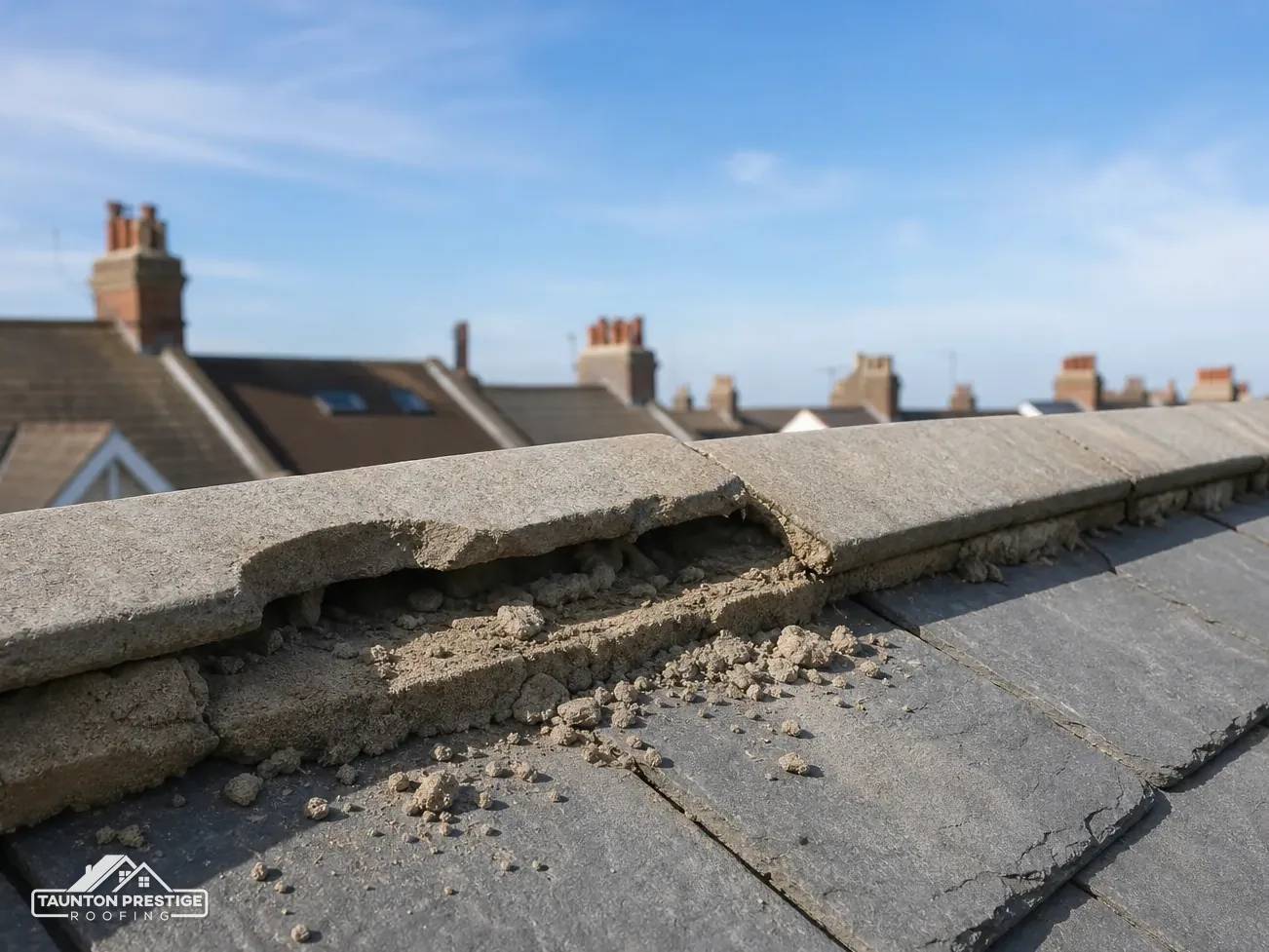 Cast Iron Gutters on Victorian Homes: Repair or Replace?Cast iron gutters are heavy, repairable and part of how a Victorian house looks. Here is how to judge the damage, what a sound repair involves and...
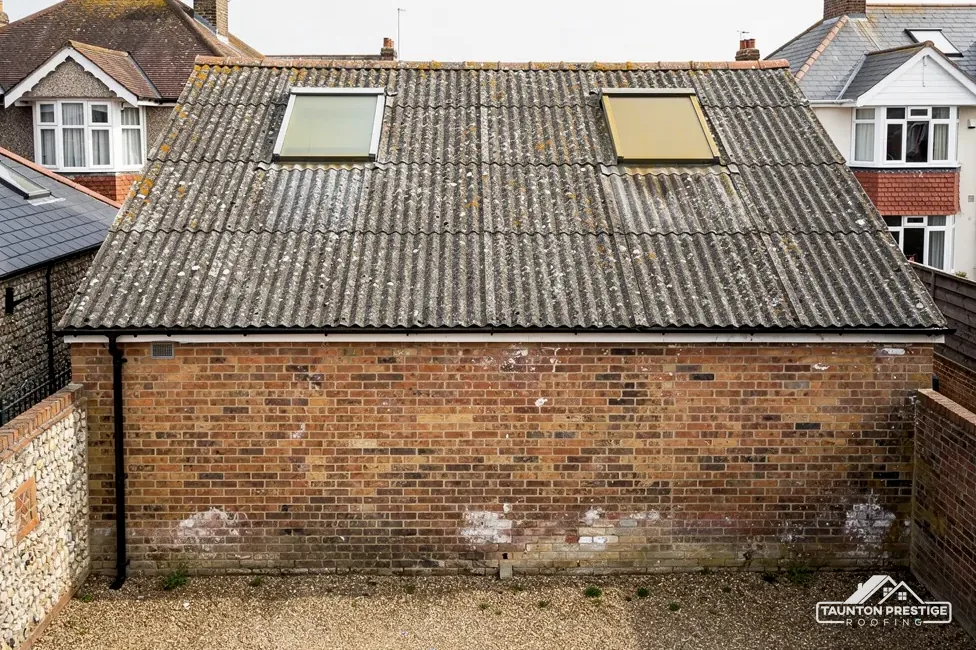 Asbestos Soffits: How to Tell and What Happens NextSoffits on houses from before 2000 may be asbestos insulating board, and nobody can tell by eye. Here is how to treat them, who removes them and what...
 Capping Fascias: Cheaper Option or False Economy?Capping wraps new plastic over your existing fascia and soffit boards. It is a fair choice over sound timber and a poor one over rot, so the checking...
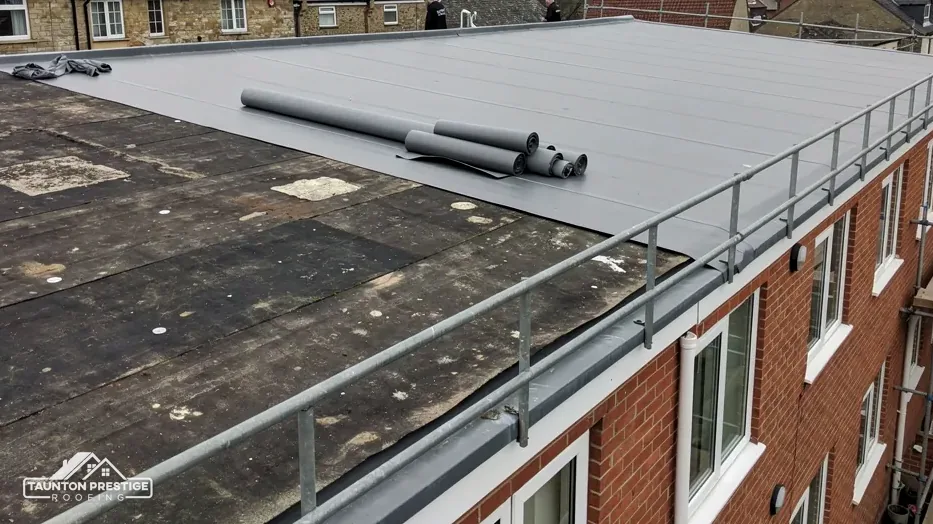 Replacing Fascias and Soffits on Shops, Offices and FlatsA shop, an office or a block of flats has the same roofline parts as a house, but more people use it while the work goes on. This is the order we...
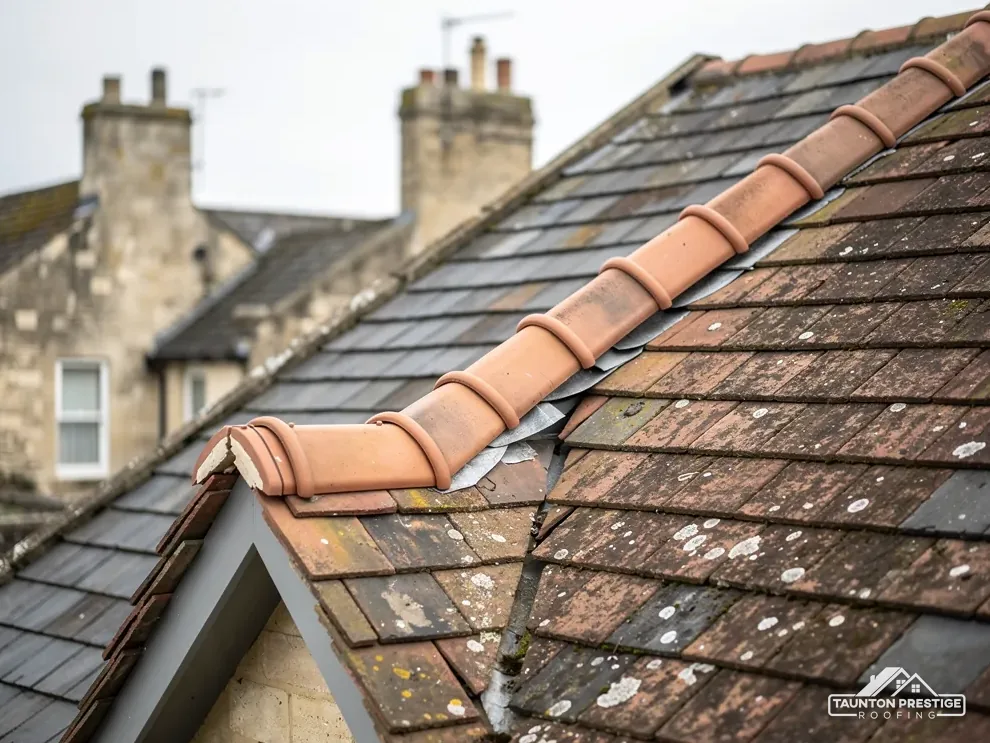 Gutter Materials Compared: uPVC, Aluminium, Steel, Cast IronA gutter has one job, to carry roof water to the downpipe without leaking, sagging or rusting. The material decides how it ages, how it is repaired...
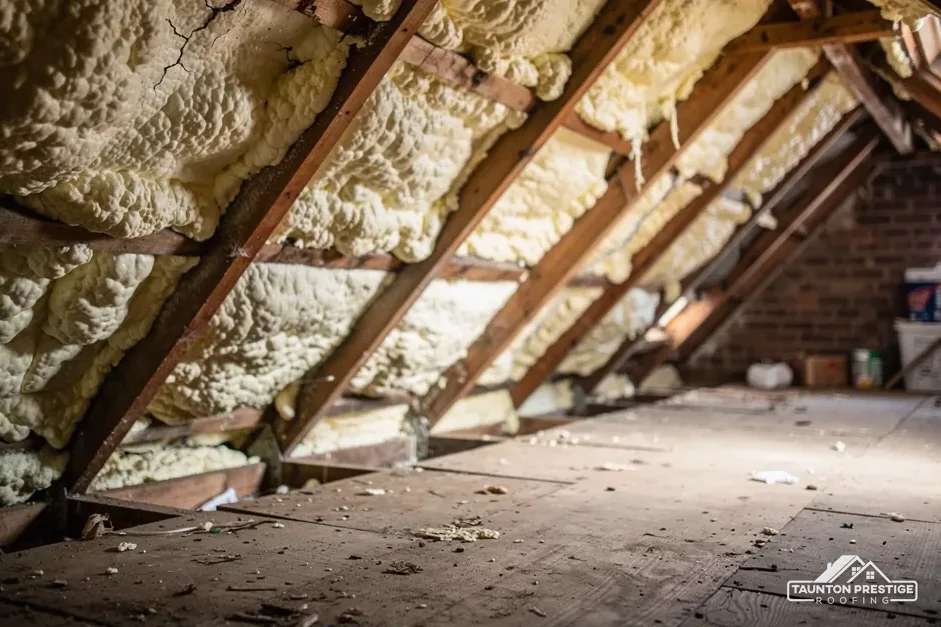 Fascia and Soffit Materials: uPVC, Timber or Aluminium?Fascia boards and soffits come in uPVC, timber, aluminium and fibre-cement. Here is how each one ages on a Somerset house, what capping costs, and...
MyJobQuote's typical UK figures put replacing guttering at around £1,000 to £1,600 (Oct 2026) and capping fascias and soffits at around £800 (Sep 2026). Stripping and renewing the fascias and soffits as well costs more, because every board comes down. Scaffold, the length of eaves and what turns up behind the old boards decide the figure.
MyJobQuote's typical UK range for replacing guttering is around £1,000 to £1,600 (Oct 2026). Where a three-bed sits in that range depends on the length of the runs, how many corners and downpipes there are, and whether the back of the house can be reached from a tower or needs scaffold. A detached house simply has more eaves.
A plastics retailer puts uPVC fascia at between 20 and 40 years, which is a typical span and not a promise. How long yours lasts depends on the quality of the board, how well it was fixed and ventilated, and whether the rafter ends behind it were sound when it went on. Boards fixed over rotten timber fail sooner.
For a full run on a two-storey house, usually, since the gutter comes off and bottom tiles may lift. HomeBuilding puts scaffold for a three-bed semi at approximately £1,000 including permits (Sep 2025). A short repair on a bungalow can often be done from a tower. If the scaffold must stand on the pavement, the highway authority licenses it first.
Yes. Shops, offices, blocks of flats and industrial units around Taunton and Wellington have fascias, soffits and gutters like any domestic house, often longer and higher. Access is the main difference: a cherry picker or full scaffold, with work planned around opening hours so people can still get in. The survey and the single written price work the same way.
Only if the gutter or downpipe is the cause. Rain spilling down a wall from an overflowing gutter or a split downpipe soaks the brickwork and can show indoors as damp. If the rainwater goods are sound, the damp may come from a failed flashing or soil banked against the wall, and new guttering would not cure it.
Send a photo of your eaves and gutters, and we will arrange a visit to look along every side.