Natural slate
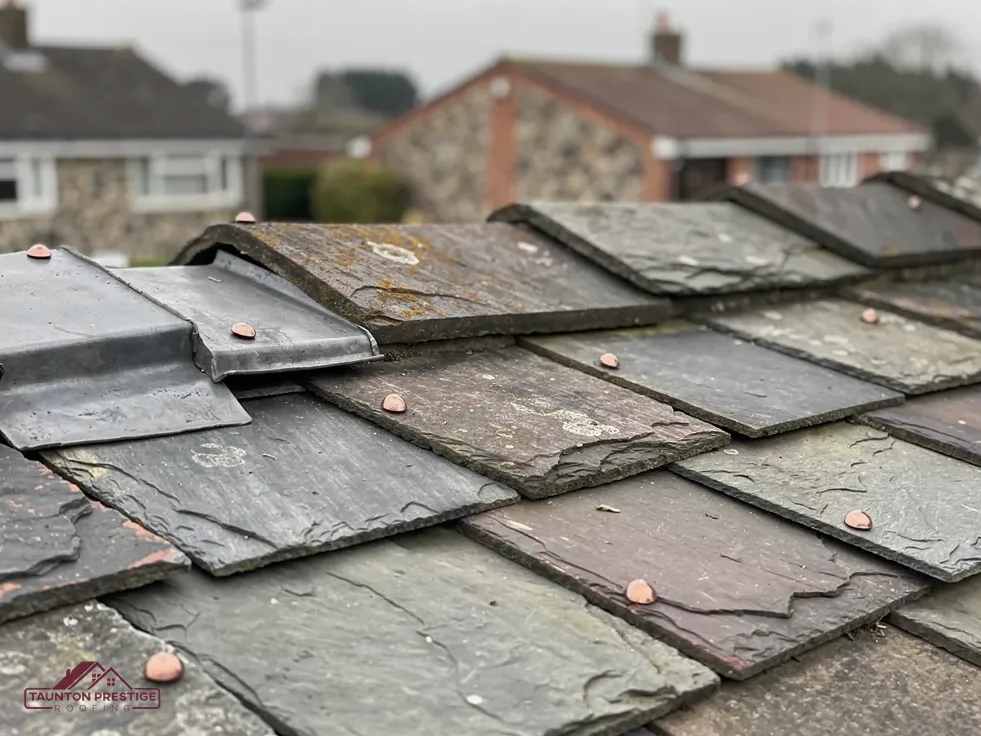
Refixed on hooks or tingles, sized to the slates around it.
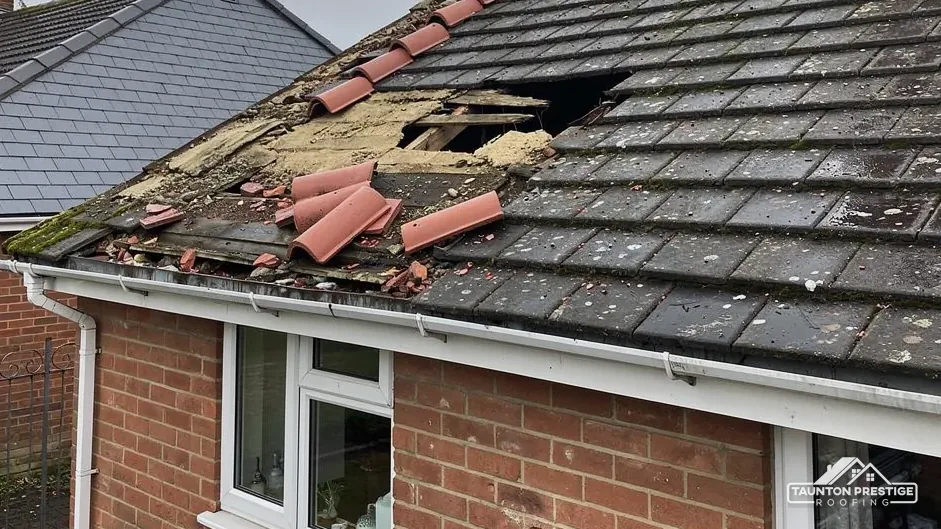
Leaks made safe first, then mended in matching materials
When rain is coming in we stop the water first, then trace what let it in and show you photos of the fault before any repair begins.
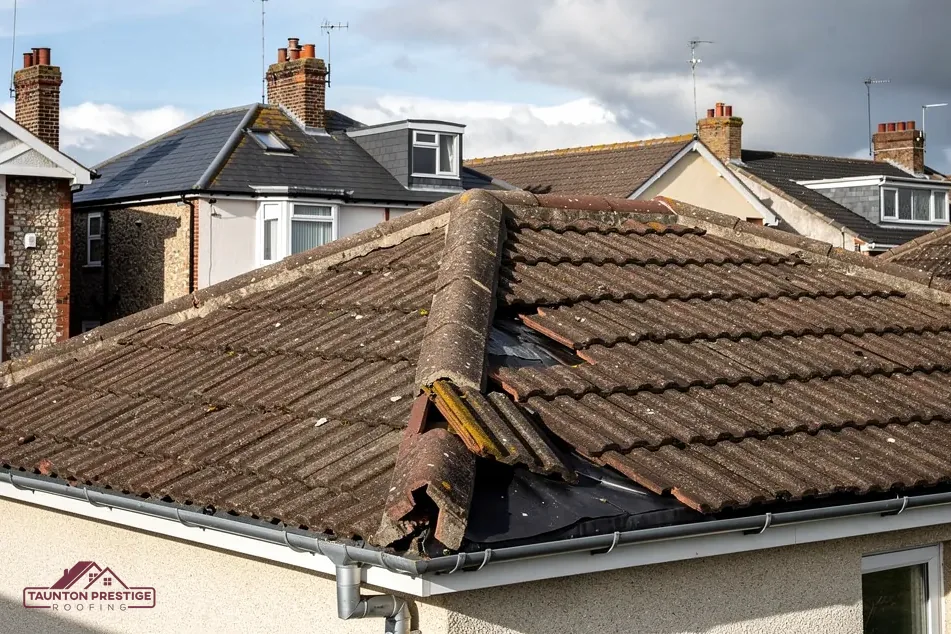
Refixed on hooks or tingles, sized to the slates around it.
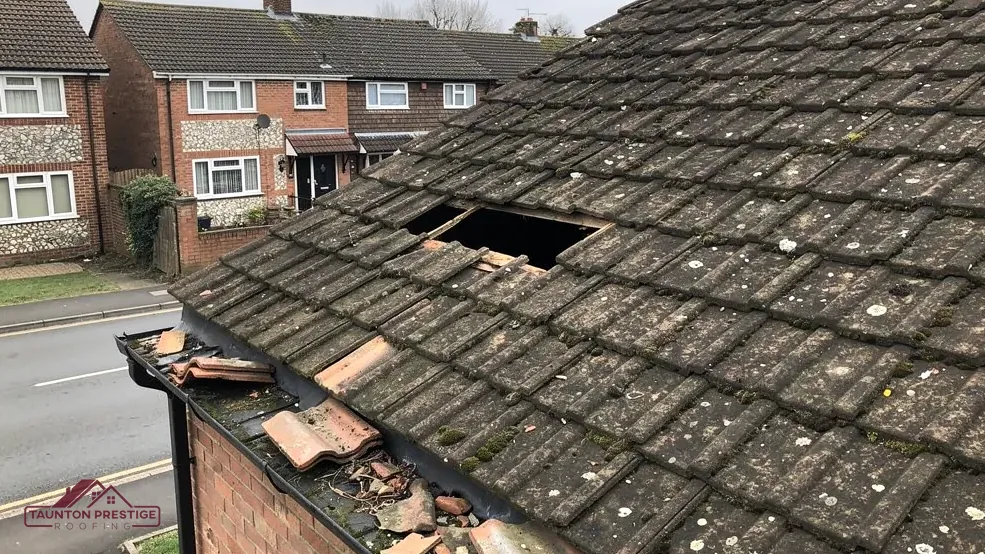
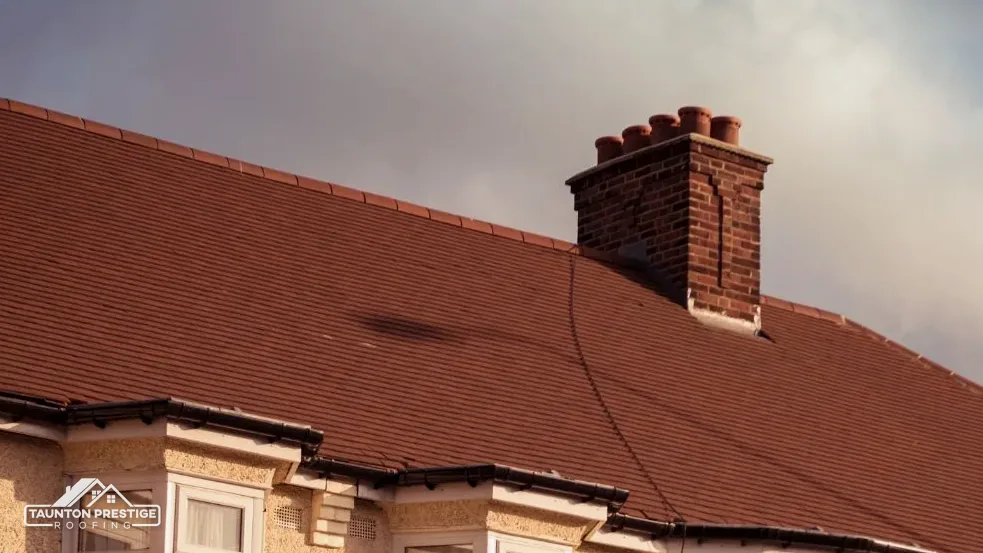
Matched by profile and colour, using reclaimed tiles when needed.
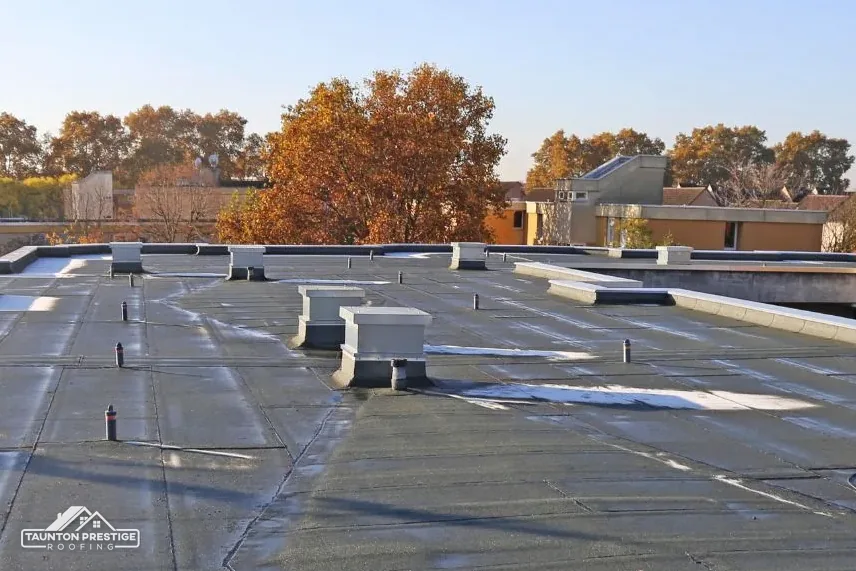
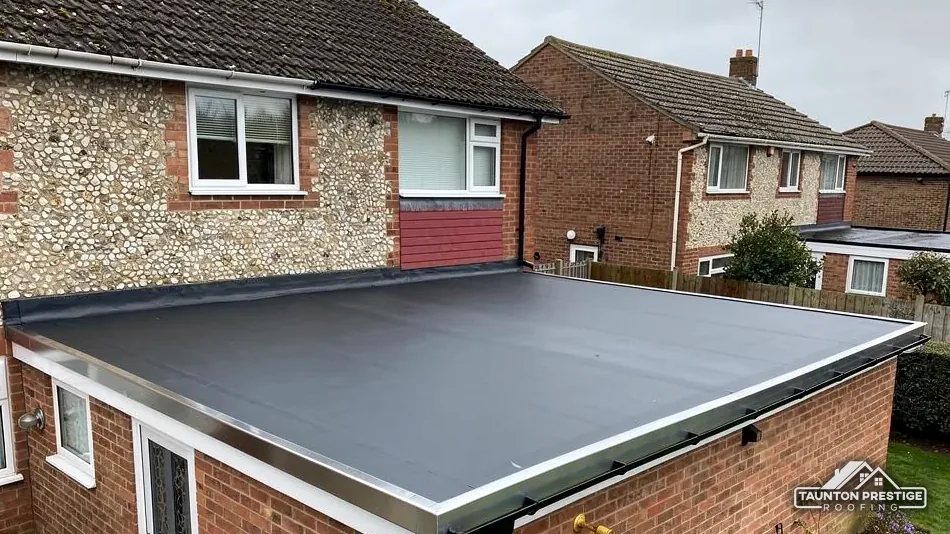
Felt, EPDM rubber and GRP, patched over a sound deck or re-covered.
 Leak tracingFollowing the water back uphill
 Storm make-safesSheeting and securing loose pieces
 Slipped tiles and slatesRefixed or replaced to match
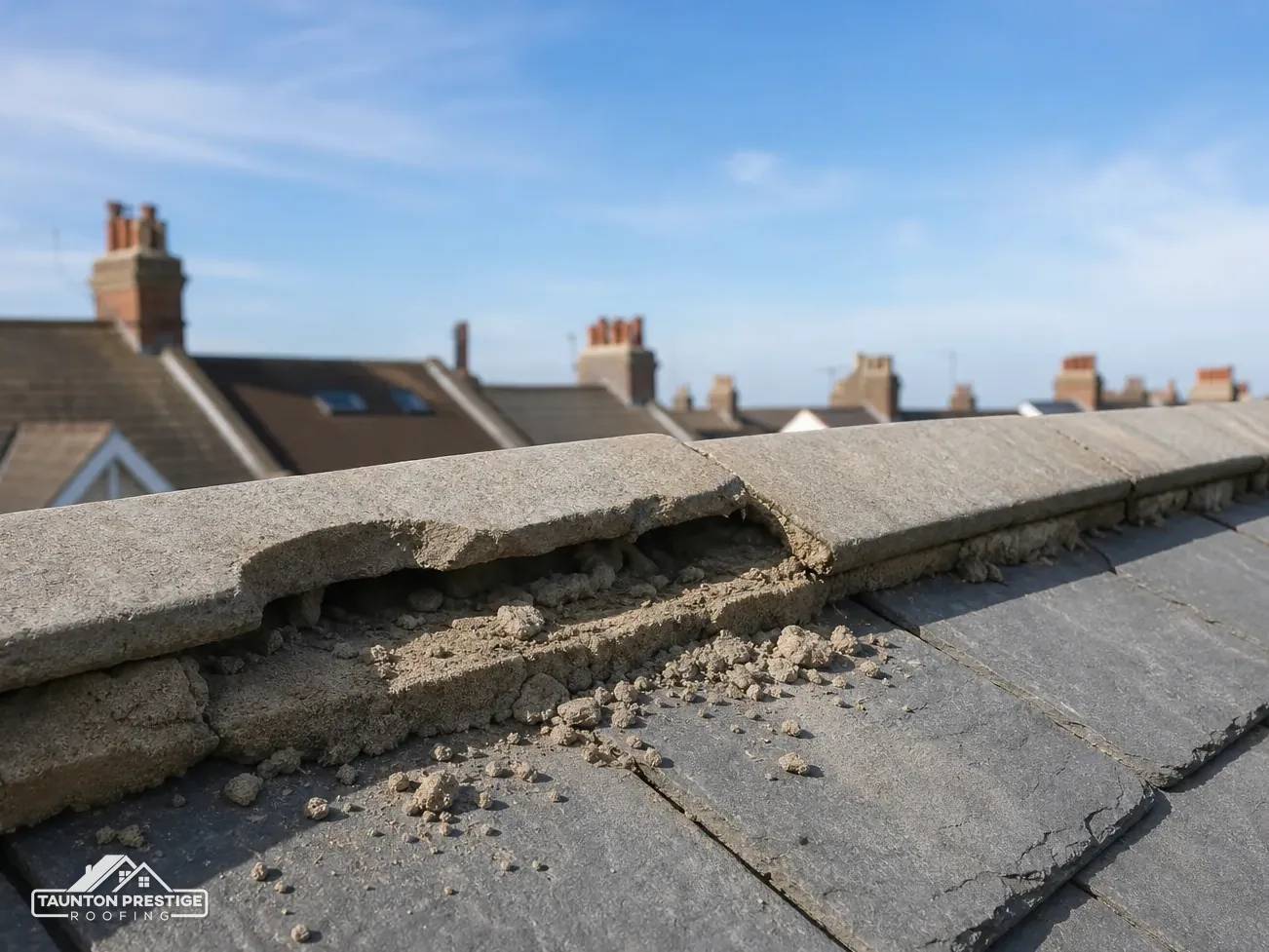
 Ridge and verge repairsLoose capping secured again
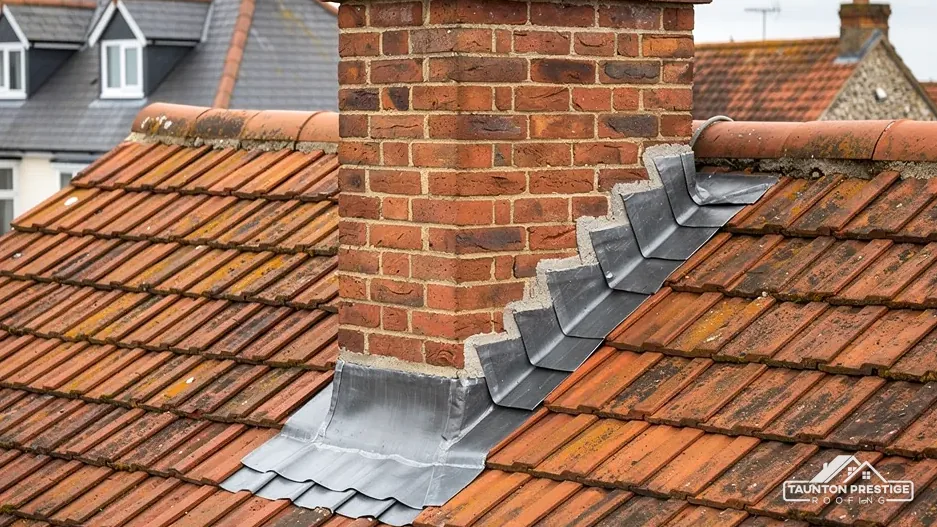
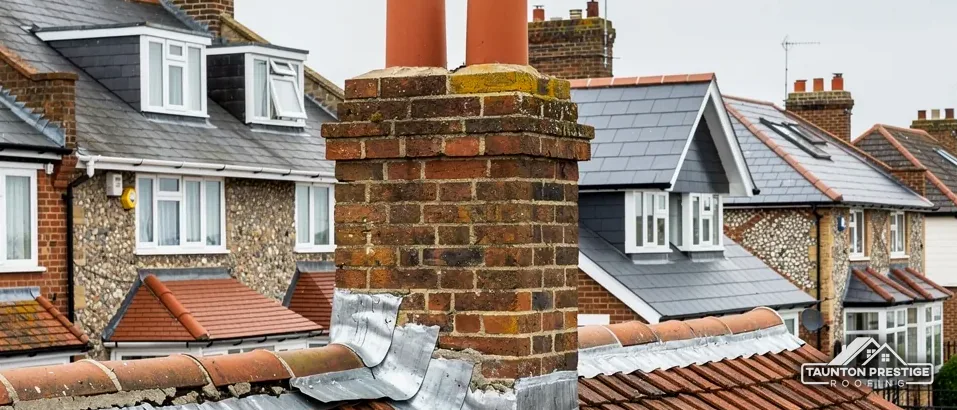 Flashings and leadLifted lead dressed back or renewed
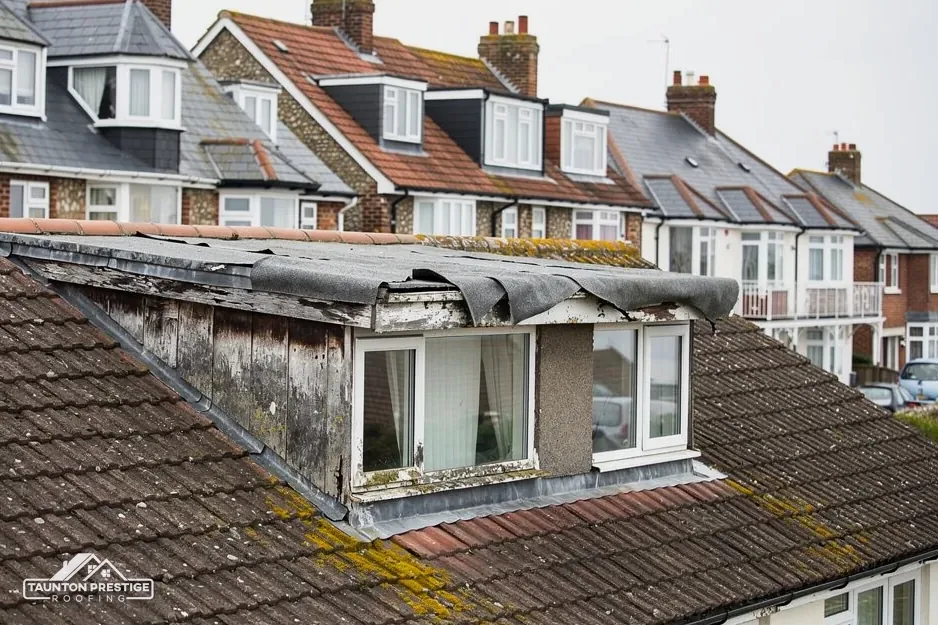 Flat roof patchesSplits and blisters cut out and sealed
Water is getting in and the weather is still too rough for a proper repair.
The fault sits in one place and the roof around it is still sound.
Faults keep returning all over the roof, so each repair buys less time.
The repair walk
How we deal with a leak or storm damage, in the order we work through it, and the things you can safely do yourself while you wait for us.
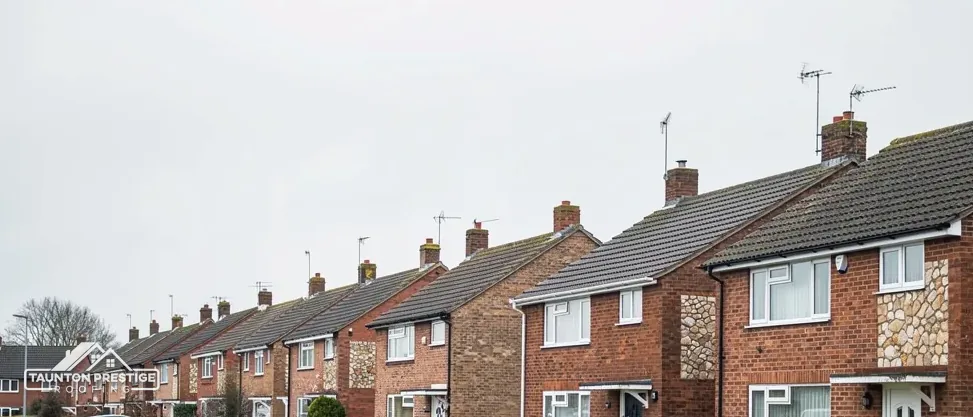
Not every roof fault needs a roofer on a ladder tonight. A problem becomes an emergency when water is reaching ceilings, wiring or loft insulation, or when something on the roof is loose enough to fall. A cracked tile seen on a dry afternoon can wait for a booked visit. A ceiling bulging with trapped water, a chimney pot leaning after a gale or ridge tiles hanging over the gutter cannot.
Look for
A bucket under a drip buys you time, but a bulging ceiling does not.
Call when rain is getting in faster than a bucket can cope with, when water is tracking near a light fitting or a socket, or when tiles, slates or lead have blown off and more bad weather is coming. Switch off at the consumer unit any circuit where water is running near a fitting, and keep everyone out of a room under a sagging ceiling. Storm damage in Somerset tends to arrive in clusters, because one band of south-westerly wind can cross the Levels, the Quantocks and the Blackdowns in a single night, so tell us exactly what you can see and we can judge which roofs need sheeting first. Our answer on when a roof problem is an emergency runs through the borderline cases.
The owner is. Somerset Building Control deals with dangerous structures across the county, and the examples it gives include tiles coming loose and chimneys that have become unstable. It can inspect and require work, but the bill for making a building safe falls on whoever owns it. If a slate or a chimney pot could drop onto a pavement or a neighbour's garden, keep people clear of that side of the house and say so when you ring, because a piece that might fall is the first thing we deal with.
Emergency roof repairs in Taunton come in two stages. The first visit is the make-safe: stopping the water, securing anything loose and taking photos of what we find, so you see the damage for yourself and can pass the pictures to your insurer. The second is the permanent repair, done in matching materials once the weather settles and the cause is fully understood. When the damage is small and the day is dry, both can happen together.
The first hour after you find a leak matters more than anything done on the roof itself, and nearly all of it happens indoors. Move furniture, rugs and anything electrical away from the drip. Stand a bucket or a washing-up bowl under it with an old towel inside to stop the splashing. If water is pooling above a ceiling and making it sag, a small hole made with a screwdriver at the lowest point, with a bucket held underneath, lets it drain in a controlled way instead of bringing the plasterboard down. Only do that if you can reach it safely and there are no electrics nearby. Wet loft insulation can be lifted into a bin bag once the drip is caught, because soaked insulation holds water against the ceiling below.
What decides the price
No. A wet roof in a wind is no place for a ladder, and a sheet that is not fixed down turns into a sail that can tear off more tiles and pull the ladder over with it. A proper make-safe tarpaulin runs over the ridge, is battened and weighted so the wind cannot get beneath it, and needs access equipment and two people. Inside the loft you can do far more good: lay a board across the joists to kneel on, set a container under the drip and move stored boxes away from the wet patch.
Take photos and short videos of every wet patch, every damaged ceiling and anything you can see on the roof from the garden, with the date showing. Write down when the leak started and what the weather was doing, because a leak that only shows in driving rain from one direction tells us a great deal. Ring your home insurer, using the claims number in your policy documents, before you agree to any work beyond a make-safe. Keep any tiles, slates or pieces of lead that have come down, since they tell us the size and type of what has to be matched. Our guide to temporary roof repairs and tarpaulins explains how a proper make-safe is fixed and how long it should stay on.
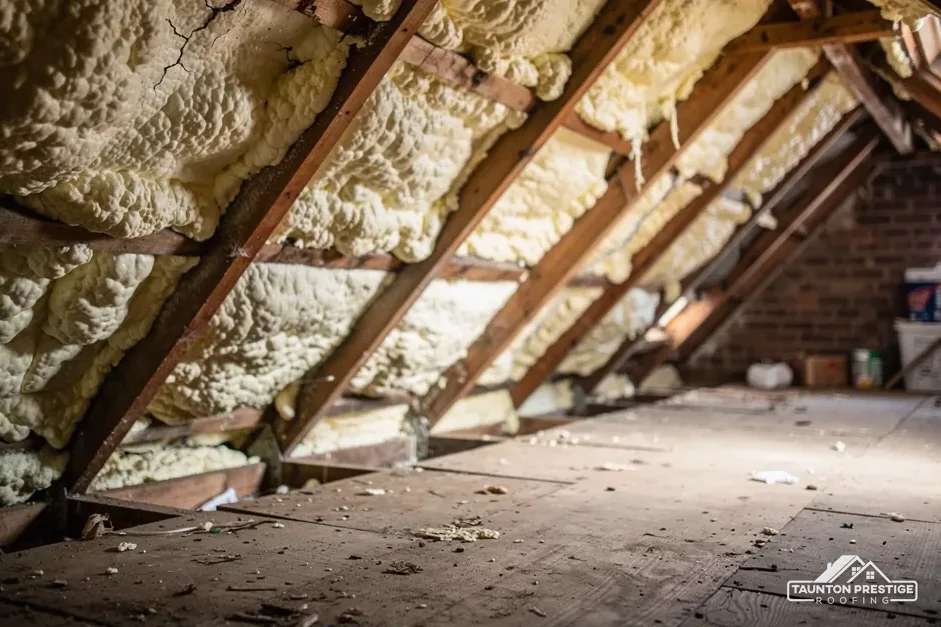
Finding a roof leak is detective work. Water that gets past a tile or a flashing seldom falls straight down. It runs along the underlay, the sheet beneath the battens that catches anything driven past the covering, or along a rafter or a pipe, and drips where the timber dips. The stain on the landing ceiling can sit a metre or more away from the real fault. We start in the loft whenever we can, following the tide marks back uphill to where they begin, then go outside to the matching spot on the roof. Binoculars from the garden or a camera on a pole often confirm the fault before anyone climbs.
Sound or needs work
Look for
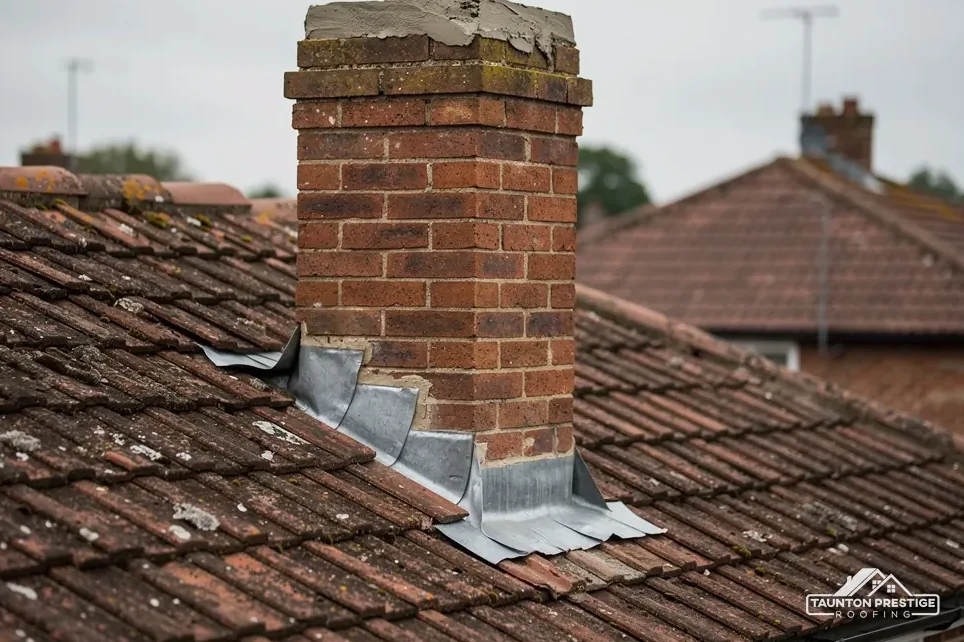
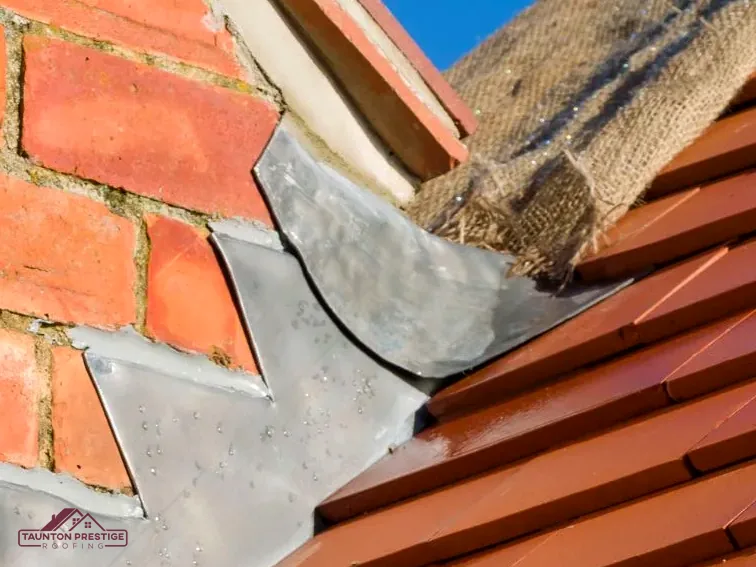
The weak points are the joints. Flashing is the strip of lead or other metal dressed over the joint where a roof meets a wall or a chimney; once it pulls out of its mortar joint, rain runs straight down behind it. A valley, the inside angle formed where two slopes join, carries more water than any other line on a pitched roof, so a split in its lining shows up quickly. On a chimney, the flaunching, the sloped mortar bed on top of the stack that holds the pots, cracks with frost and lets water into the brickwork. Roof windows, soil vent pipes and old satellite brackets each add another hole for water to find.
Follow the water uphill from the loft and the fault usually shows itself.
Not every wet loft has a hole in its roof. Condensation forms when warm, moist air from the house reaches the chilly underside of the covering and turns to water, and it shows as droplets spread evenly across the underlay or hanging from nail tips, at its worst on cold, still mornings. A true leak arrives at one point and gets worse in wind-driven rain. Telling the two apart saves paying for a roof repair that would never have cured a ventilation problem.
When the source still is not obvious, we hose a single strip of roof, then the next, with one of us inside the loft looking for the first drip, so every joint gets its own trial. Our guide to finding the source of a roof leak sets out the method, and flashings that need renewing rather than refixing pass to our lead work team.
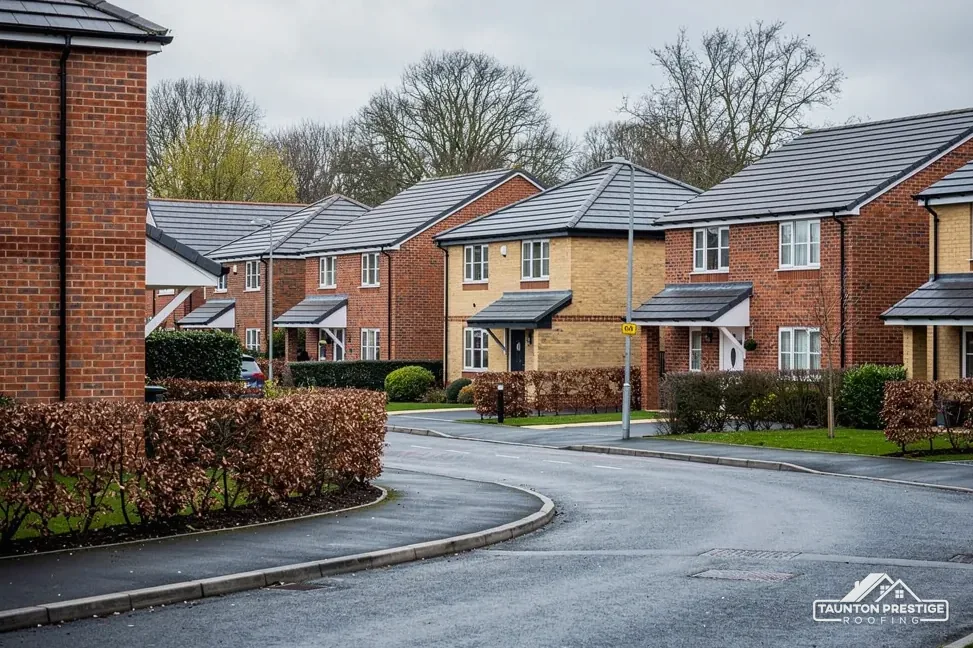
A storm leaves a recognisable pattern behind it: ridge tiles lifted along the top, slates stripped from the windward slope, lead peeled back at the chimney and felt torn off a garage. The Financial Ombudsman Service, which settles complaints against insurers, describes a storm as weather with violent wind, normally joined by rain, hail or snow. Insurers look for that kind of weather, and they also look at the state the roof was in before it arrived.
Policies often cover sudden damage from a storm and far less often damage from gradual wear. If the mortar under a ridge had been crumbling for years and a gale simply finished it off, an insurer may treat the claim as wear and tear. Which? found that only 32% of storm-related claims made in 2024 resulted in a payout, so read your policy and gather evidence from the start. Whether a claim succeeds is your insurer's decision, never ours. What we can hand you is a clear, dated record: the damage we saw on arrival and each step taken to stop the water.
Tell the insurer first, then arrange a temporary repair to stop more harm, because policies expect you to limit the damage where you reasonably can. Keep every receipt. The Institution of Structural Engineers puts it plainly: "Photographs are vital for your insurance claim, as they provide visual evidence of the damage." Our make-safe visit includes dated close-up photos of the roof and a short written report on the cause as we see it, which you can send straight to the insurer or a loss adjuster. Our guide on storm damage versus wear and tear explains how that line is usually drawn.
If the insurer turns the claim down, ask for its final response in writing. When none arrives within eight weeks, or you disagree with what it says, the Financial Ombudsman Service can look at the complaint, and its service is free. You have 6 months from the date on the final response to take it there.
What decides the price
Look for
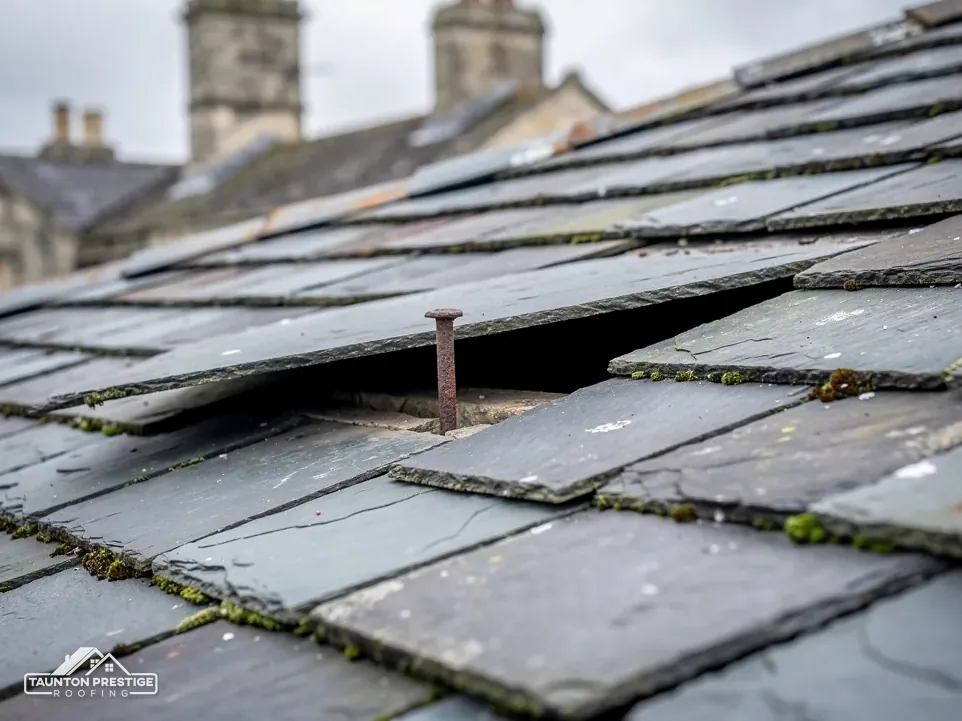
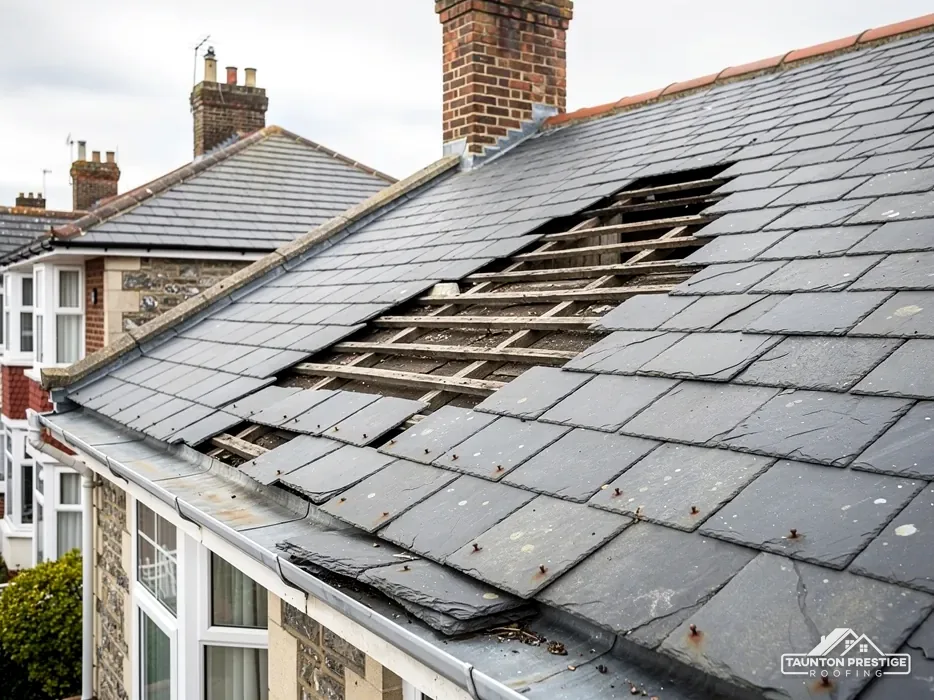
General roof repairs in Taunton are usually small jobs that stop big ones. A roof is a set of overlapping parts, and each part fails in its own way. Slates hang on nails or hooks, and when old iron nails rust through, the slates slide out of line one by one. Clay and concrete tiles hang from battens, the timber strips fixed across the rafters, and they crack when frost gets into them or when someone treads on them to reach an aerial. Each gap lets rain reach the underlay and the timber beneath.
Small gaps in a roof grow quietly until a ceiling stain gives them away.
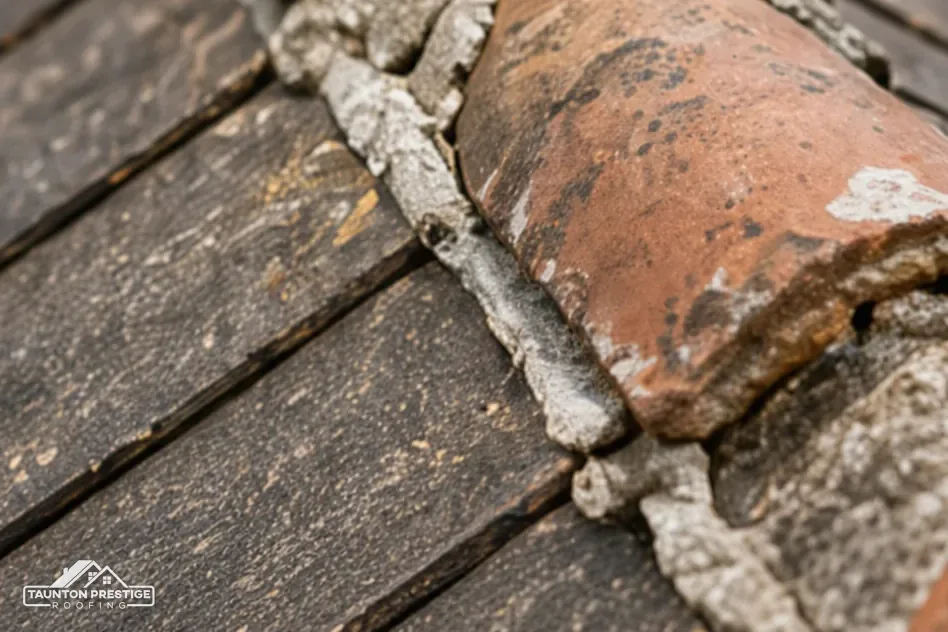
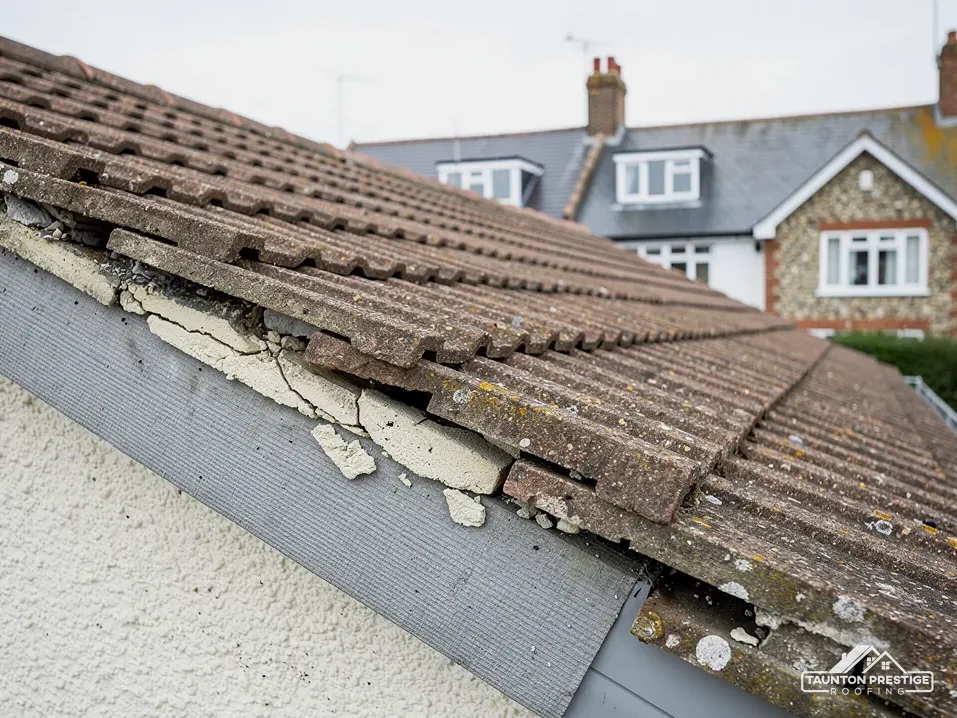
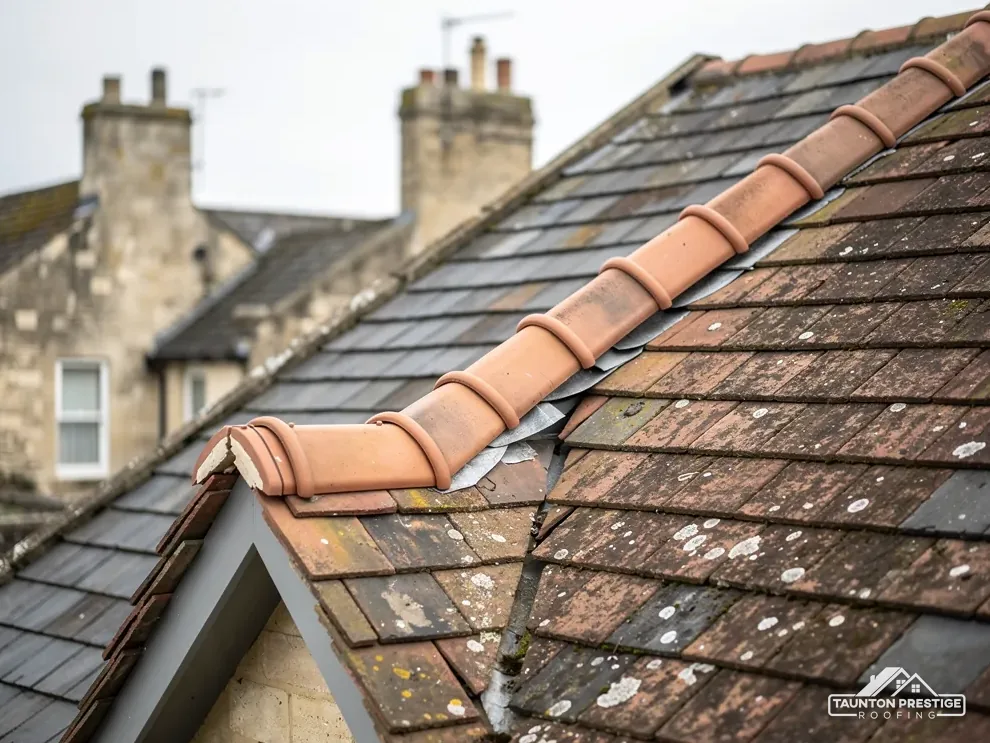
The ridge is the row of capping tiles along the top; at a gable wall, each slope finishes in a verge, its exposed side edge. Both were traditionally bedded in mortar, and both take the full force of the wind. When the mortar cracks the caps start to rock, and a gale lifts them away. We take up the loose run, clean off the old bedding and re-bed it with mechanical fixings, or fit a dry-fix system held by clips and screws instead of mortar. Where every cap has worked loose, a full dry ridge and verge conversion is the better job.
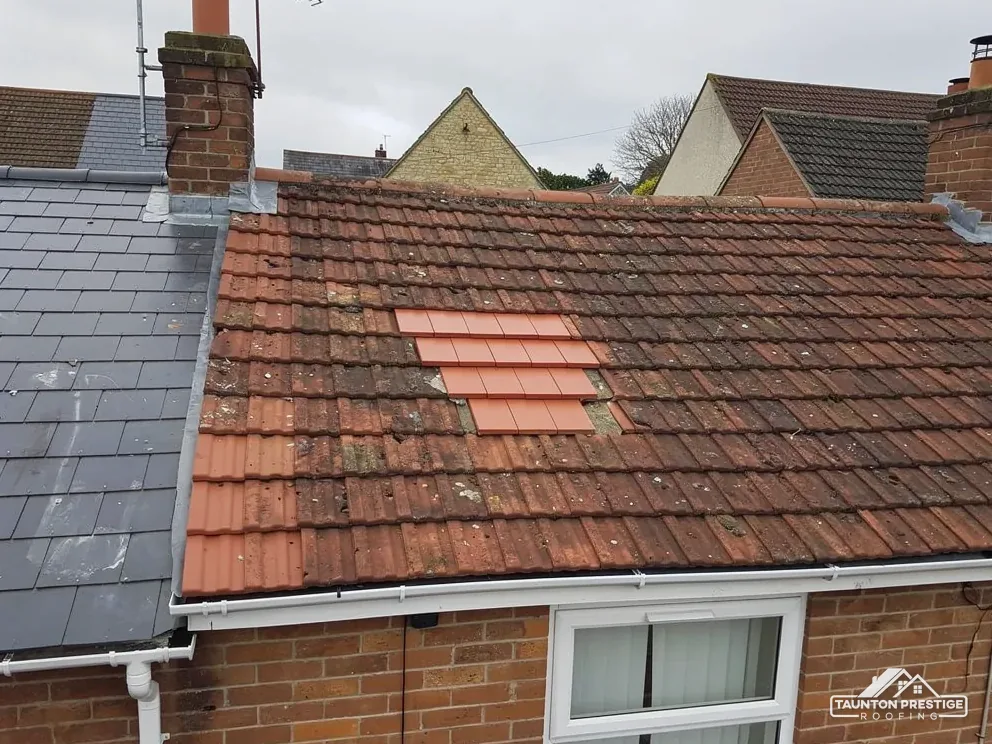
Often it can. On a low roof a single slate or tile can be reached from a roof ladder hooked over the ridge, or from a tower, and replaced with a matching piece held by a tingle, a strip of lead or copper turned up under its tail. Higher roofs, steep slopes above a conservatory and anything over a busy pavement need scaffold, and scaffold standing on the highway needs a licence under the Highways Act 1980, which we arrange with the scaffolder. Our answer on roof tiles blown off in a gale covers what to check from the ground first.
Lead expands and contracts in the sun, and over many summers it can creep and pull its top edge out of the wall. Wind gets under a lifted edge and peels it further. A short run can be dressed back and wedged into a freshly raked joint; split or thin lead is better replaced, cut to the right code, which is the thickness grade lead is sold in.
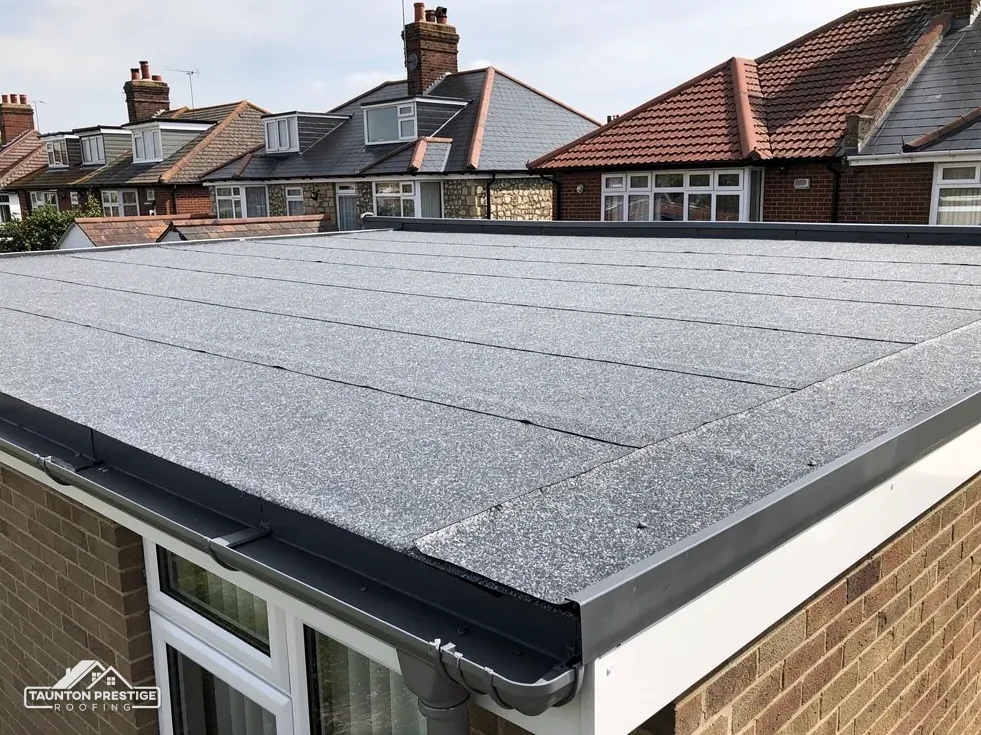
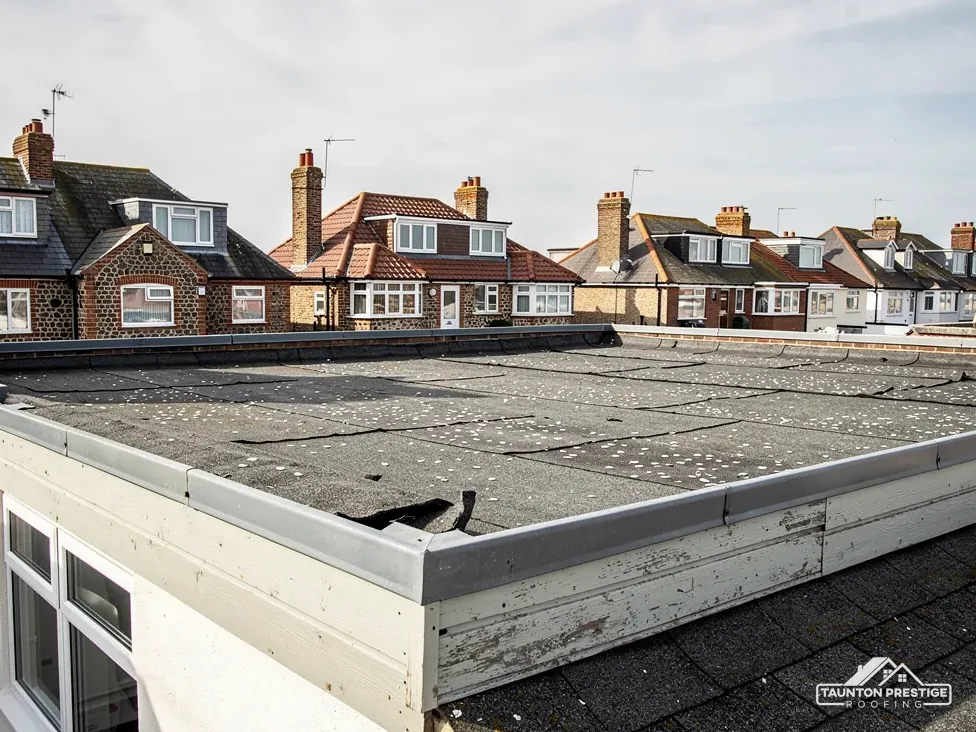
Flat roofs over extensions, dormers and garages fail differently from slate and tile. Water leaves them slowly, so any split or open seam sits in standing water for hours after rain. Mineral felt, the traditional covering, cracks and blisters as it ages in the sun. EPDM is a single sheet of synthetic rubber glued to the deck, and it can tear at a corner or lift where its edge trim has worked loose. GRP, glass-reinforced plastic, is a fibreglass coating laid wet over the boards, and it can craze where the deck beneath has moved.
Yes, when the damage is local and the rest of the covering is sound. A blister can be cut, dried out and sealed under a new layer; an EPDM tear takes a bonded patch of the same membrane; a crack in GRP is ground back and relaid with fresh mat and resin. What a patch cannot cure is a soft deck. If the boards under the covering have rotted, they bounce underfoot and the covering keeps splitting above them. Then the roof needs stripping to the joists, new decking and a new covering, and our flat roofing service takes that work on in full.
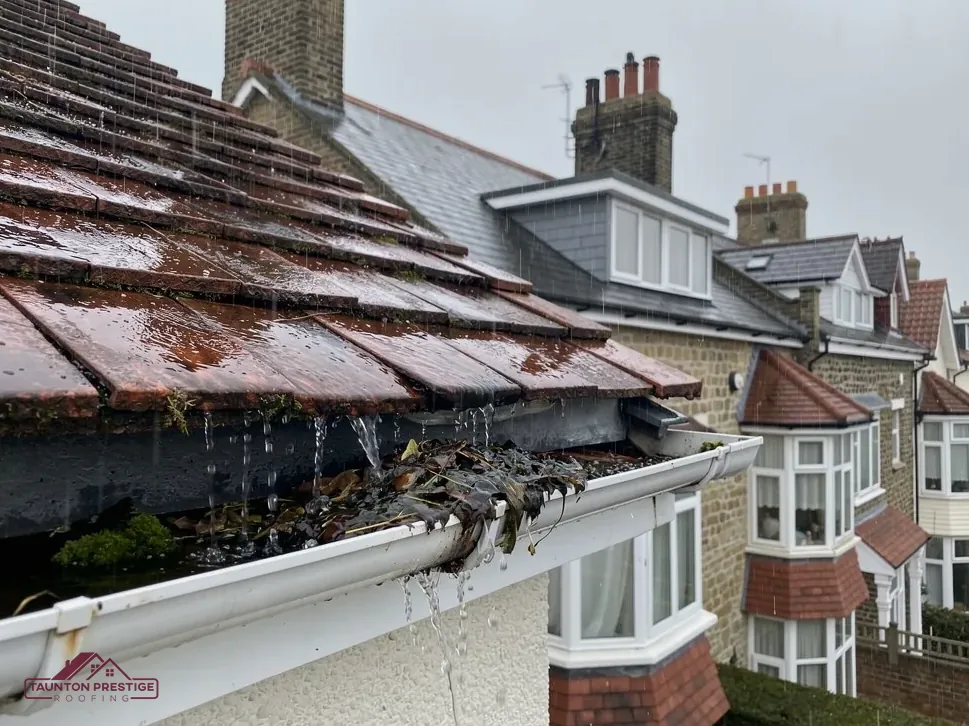
BS 6229:2025 sets a design fall of 1:40, so that the finished roof keeps a fall of at least 1:80 once it has settled. Older roofs were often laid flatter, and timber sags over the years, so puddles form and stay. Ponding speeds up the wear on felt and adds weight to the deck. Sometimes a blocked outlet or a gutter packed with leaves is the whole cause, and clearing it is the repair. Where the fall itself is wrong, firring strips, tapered timbers laid on the joists, can put the slope back when the roof is next re-covered.
Some older garages are roofed in corrugated sheets that may be asbestos cement. Never drill, cut or walk on them. Taking asbestos cement sheets off carefully counts as non-licensed work under HSE rules, but breaking the sheets up substantially makes it notifiable non-licensed work, so a cracked sheet is checked before anyone touches it, and the waste leaves on a consignment note.
What decides the price
Look for
Every roof reaches a point where patching stops paying its way. Until then, repairs are what keep it working, and the timing of each one matters a great deal. At the end of a repair visit we tell you what else we saw up there, so you can plan ahead rather than wait for the next leak.
A slipped slate put back this month costs far less than the stained ceiling, soaked insulation and rotten batten it would leave behind by next winter. Water that keeps reaching the timbers softens battens and rafters, and once they go a simple tile job turns into stripping part of a slope. Small, early repairs keep the rest of the roof working for longer. The time to stop repairing comes when faults appear all over the roof at once: slates slipping on every slope, underlay crumbling along the eaves and battens soft underfoot. Each new repair then buys less time than the last.
For a fault in one place, repair wins by a wide margin. MyJobQuote puts the average roof repair at around £650 in 2026 and the average new roof at around £5,250 (MyJobQuote, Oct 2026). Those are typical UK figures, not what we charge. Once the same roof needs a repair every year, the sums turn round. Our guide to what roof repairs cost sets out typical figures job by job, and our roof replacement service covers the whole-roof route when that time comes.
We work across Taunton and its villages, out to Wellington and Bridgwater, the Quantock and Blackdown Hills, the Somerset Levels, and across the Devon border to reach Tiverton and Cullompton. Exposed roofs in the hills and out on the Levels catch the wind early, so a homeowner there can see ridge and verge trouble before anyone in town. Every repair starts with an inspection, whether the roof is a terrace in town or a farmhouse in the hills.
If water is coming in now, tell us your village, which room is wet and what you can see of the roof from the garden, and we will plan the make-safe visit around those details.
What decides the price
Walked the roof?
Work through what you can from indoors and the garden, and leave anything above the gutter line to us.
| Job | Typical range |
|---|---|
| Emergency roofer call-out | £150 to £300 |
| Roof valley lining renewed | around £540 |
| Average general roof repair | around £650 |
| Five broken roof tiles replaced | £150 to £200 |
| Ridge tiles replaced | £225 to £550 |
Typical UK ranges from MyJobQuote, never our own prices. Your written price comes once we have surveyed the roof, and it is worth asking whether a quote includes VAT and any scaffold.
MyJobQuote cost guides, Sep and Oct 2026
Shorter reads on single repair questions: tarpaulins and make-safes, tracing leaks, storm claims, winter leaks, listed homes and what each repair typically costs.
 How Much Do Roof Repairs Cost in the UK?Published UK guides put an average roof repair at around £650, with tiles, ridges and valleys either side of it. Here is what the figures mean and...
 Temporary Roof Repairs: Tarpaulins and Make-SafeA tarpaulin or a patched slope keeps water out until the proper repair can be done. Here is what a make-safe covers, what it cannot do, and why the...
 Leak Tracing: Why the Drip Is Rarely Under the FaultThe stain on your ceiling marks where the water came out, not where it got in. Tracing a leak means following it uphill, through the loft, to the...
 Storm Damage or Wear and Tear? How Insurers DecideInsurers separate sudden damage from a storm and slow decline from age. Knowing how the Financial Ombudsman describes a storm helps you gather the...
 Roof Leaking in Winter? Condensation, Ice or a Real LeakDrips in a cold loft are not always a hole in the roof. This guide separates condensation from rain, ice and failed flashing, and shows what can be...
 Emergency Roof Repairs on a Listed BuildingWhen a listed house or church loses slates in a storm, step one is keeping rain out without altering what makes the building special. Permanent work...
MyJobQuote puts a typical emergency call-out at £150 to £300 and storm repairs at £1,200 or more (MyJobQuote, Oct 2026). Those are typical UK ranges, not our prices. The height of the roof, access, the weather and how much needs sheeting move the figure, and the lasting repair is priced once the fault is seen in daylight.
A roofer, in nearly every case, because leaks start at the covering, the flashings, the valleys or the chimney, and those are roofing skills. A builder is the right call when the water is coming through a cracked wall or a failed window head instead. Tide marks on the rafters in the loft point to the roof.
A properly fixed sheet or tarpaulin is meant to hold for days or a few weeks, never a whole season. Sun and wind wear it, battens can trap water beneath it, and every gale tests the fixings again. Book the permanent repair as soon as the weather allows, and check the sheet from the garden after each windy night.
A make-safe can go ahead in rain, provided the wind allows safe access, because stopping the water is the whole point. Most permanent repairs wait for a dry spell: mortar needs to cure, lead sits better on a dry surface, and felt and resin need a dry deck to bond to. The make-safe holds the roof in the meantime.
Rarely. A single leak usually comes from one failed part, such as a slipped slate, a split valley or a lifted flashing, and mending that part ends it. A new roof starts to make sense only when faults show up all over: slipping in every row, crumbling underlay and soft battens. The inspection tells you which you have.
Say which room is wet, where the stain sits on the ceiling, when it started and which way the wind was blowing. Mention anything you can see on the roof from the garden and whether tiles, slates or lead have fallen. Photos sent by WhatsApp help us arrive with the right materials and access for the job.
Send a photo of the wet ceiling and the roof above it, and we will plan the make-safe from there.